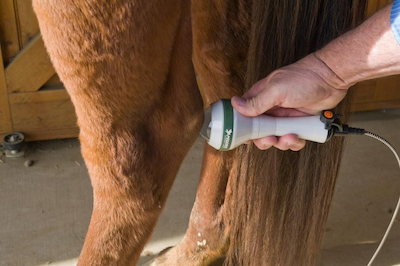
When to Consider a Holistic Vet for Your Pet
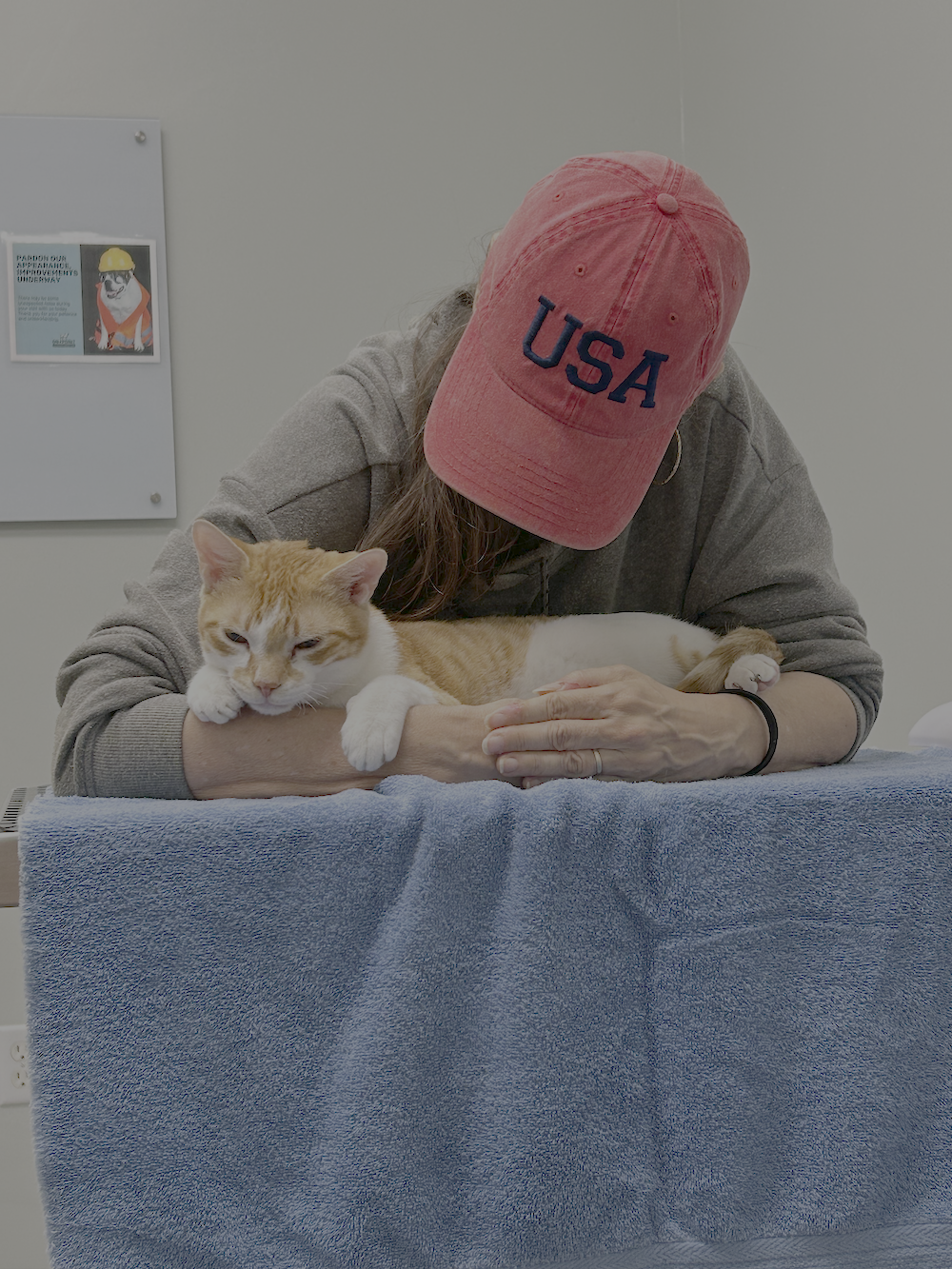
Many pet owners come to holistic veterinary medicine at a turning point. Maybe conventional treatments are not working as well as hoped. Maybe the side effects of medications are becoming a concern. Maybe you want a more comprehensive approach to your aging pet's care. Or perhaps you are simply curious about what integrative medicine has to offer.
Whatever your starting point, knowing when holistic care is most likely to make a meaningful difference can help you decide whether it is the right step for you and your pet.
Chronic Conditions That Are Not Fully Managed
One of the most common reasons pet owners seek holistic care is when a chronic condition persists despite conventional treatment. This does not mean conventional medicine has failed—it means that the condition may benefit from additional therapeutic approaches.
Conditions that often respond well to integrative treatment include chronic arthritis and pain, inflammatory bowel disease, recurring skin allergies and ear infections, chronic urinary issues, and autoimmune disorders. A holistic vet can add modalities like acupuncture, herbal medicine, or nutritional therapy that work alongside conventional treatments to provide better symptom management and address underlying causes.
If your pet has been on medications for months or years with only partial improvement, or if you find yourself at the vet repeatedly for the same issue, integrative care may offer new solutions.
Your Senior Pet Needs Quality-of-Life Support
Aging brings a host of health challenges for pets. Arthritis stiffness, cognitive decline, decreased appetite, organ function changes, reduced energy, and mobility issues are common in senior dogs and cats. Managing all of these with conventional medications alone can mean a complicated medication schedule with potential drug interactions and side effects.
Holistic modalities offer gentler options that can address multiple concerns simultaneously. Acupuncture can manage pain while also improving appetite and energy. Nutritional therapy can support organ function while maintaining muscle mass. Chiropractic care can improve mobility without adding another medication to the mix.
Many pet owners find that integrative care makes the biggest difference during their pet's senior years, helping maintain comfort, dignity, and quality of life when it matters most.
Your Pet Has Multiple Health Issues
When a pet has several health conditions at once—which is common in older animals—the conventional approach of treating each condition separately with its own medication can become complicated. Drug interactions, overlapping side effects, and the stress of administering multiple medications daily can diminish both your pet's quality of life and your own.
Holistic modalities often address multiple systems simultaneously. A single acupuncture session can address pain, digestive function, and anxiety all at once. Nutritional therapy supports whole-body health rather than targeting a single condition. This integrated approach can simplify your pet's care while potentially improving outcomes across the board.
Recurring Problems Keep Coming Back
If your pet experiences the same problems over and over despite treatment—recurring ear infections, seasonal allergies that worsen each year, repeated urinary tract infections, or chronic digestive flare-ups—it may indicate that the underlying cause has not been addressed.
Conventional treatment often focuses on resolving the immediate problem. Antibiotics clear the infection. Steroids calm the allergic reaction. Anti-nausea medication stops the vomiting. But if the root cause remains, the problem returns.
Holistic vets are trained to look deeper. They ask why the infections keep happening, what is driving the allergic response, and what systemic imbalances might be creating the conditions for disease to recur. By addressing these root causes—often through dietary changes, immune support, and lifestyle modifications—the cycle of recurrence can sometimes be broken.
Your Pet Is Sensitive to Medications
Some pets experience significant side effects from conventional medications. Gastrointestinal upset, liver enzyme elevations, kidney stress, lethargy, appetite changes, and behavioral alterations are all possible reactions to commonly prescribed drugs.
If your pet does not tolerate certain medications well, holistic therapies may provide effective alternatives with fewer side effects. Acupuncture for pain management instead of NSAIDs, herbal medicine instead of synthetic drugs, or nutritional therapy instead of pharmaceutical interventions can be gentler on your pet's system while still providing therapeutic benefit.
This is one of the most common reasons pet owners first explore holistic options, and many find that their pets do remarkably well with natural approaches.
Cancer Diagnosis and Treatment Support
A cancer diagnosis is one of the most difficult experiences a pet owner can face. While conventional oncology—surgery, chemotherapy, and radiation—forms the backbone of cancer treatment, holistic modalities can provide valuable complementary support.
Acupuncture can help manage pain and reduce nausea from chemotherapy. Nutritional therapy can maintain strength and support immune function. Herbal medicine may provide additional anti-inflammatory and immune-modulating benefits. Many oncologists now work collaboratively with holistic practitioners to provide comprehensive cancer care.
Holistic support during cancer treatment is not about replacing oncology. It is about giving your pet every advantage for comfort, strength, and quality of life during a challenging time.
Anxiety and Behavioral Issues
Pets with anxiety, fear, aggression, compulsive behaviors, or other behavioral challenges often benefit from a holistic approach. While behavioral training is essential, many behavioral issues have physiological components that can be addressed through integrative medicine.
Acupuncture and herbal medicine can help regulate the nervous system without the sedating effects of some pharmaceutical options. Nutritional therapy can address gut-brain connections that influence mood and behavior. TCVM can identify constitutional patterns that predispose to anxiety and provide targeted treatment.
For pets whose behavioral issues have not fully responded to medication or training alone, adding holistic modalities can provide a meaningful breakthrough.
You Want Prevention, Not Just Treatment
You do not need to wait until your pet is sick to benefit from holistic veterinary care. Many pet owners seek integrative practitioners specifically for wellness and prevention.
A holistic wellness approach might include optimizing your pet's diet for their specific needs, using targeted supplements to support organ health and immune function, regular acupuncture or chiropractic sessions to maintain structural health, and lifestyle recommendations that reduce disease risk.
Prevention-focused holistic care is an investment that can pay dividends throughout your pet's life by helping them stay healthier and potentially avoiding costly health crises.
When Conventional Care Is Essential
While holistic medicine offers many benefits, there are situations where conventional veterinary care should always be your first call:
Emergencies: Trauma, poisoning, bloat, difficulty breathing, severe bleeding, seizures, and other acute emergencies require immediate conventional veterinary care. Do not delay emergency treatment to seek holistic alternatives.
Acute infections: Serious bacterial, viral, or parasitic infections often require conventional medications such as antibiotics, antivirals, or antiparasitics as first-line treatment.
Surgical conditions: Foreign body ingestion, internal bleeding, tumor removal, fracture repair, and other surgical conditions require conventional surgical intervention.
Diagnostic workups: Blood work, imaging, biopsies, and other conventional diagnostic tools are essential for accurately understanding what is happening with your pet's health.
A responsible holistic vet will always recommend conventional care when it is the most appropriate option.
Making the Transition
If you have decided to explore holistic care for your pet, here are some practical steps:
- Find a qualified practitioner using our directory. Look for certifications from recognized organizations like AHVMA, IVAS, Chi Institute, or AVCA.
- Schedule a consultation and bring your pet's complete medical records.
- Keep your conventional vet informed. The best outcomes come from collaborative care where all of your pet's practitioners are communicating.
- Be patient. Holistic treatments often work gradually, building improvement over time rather than providing instant results.
- Stay engaged. Holistic care often involves active participation from pet owners through dietary changes, home exercises, or supplement administration.
The decision to explore holistic veterinary care is a positive step toward a more comprehensive approach to your pet's health. Whether you are seeking solutions for a specific problem or investing in long-term wellness, integrative medicine offers tools and perspectives that can make a real difference in your pet's life.
Join the Conversation
Have thoughts on this topic? Connect with other holistic pet parents in our community forum.
Join Holistic Pet Parents