What to Expect from Veterinary Laser Therapy
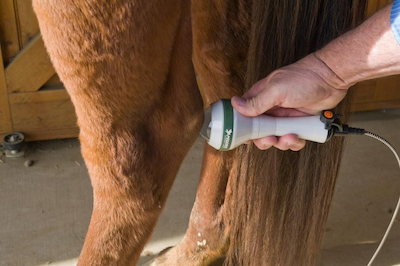
Of all the holistic modalities available in veterinary medicine, laser therapy may be the easiest entry point for pet owners who are new to integrative care. There are no needles, no pills, no manual manipulation. Your pet sits or lies down comfortably while a device emitting focused light is held over the treatment area. Sessions are quick — typically 5 to 20 minutes — and most animals visibly relax during the process.
But behind that simplicity is real science. Veterinary laser therapy uses specific wavelengths of light to trigger biological changes at the cellular level: reducing inflammation, accelerating tissue repair, and modulating pain signaling. It is used by conventional and holistic veterinarians alike, making it one of the most widely available and well-accepted complementary treatments in animal medicine.
If your vet has recommended laser therapy or you are exploring it on your own, here is what to expect.
What Is Veterinary Laser Therapy?
Laser therapy — also called photobiomodulation (PBM) or cold laser therapy — uses light energy to stimulate healing at the cellular level. The term "cold laser" distinguishes therapeutic lasers from surgical lasers. Therapeutic lasers do not cut tissue or generate significant heat. Instead, they deliver photons of light at specific wavelengths (typically 800 to 980 nanometers) that penetrate the skin and are absorbed by cells.
When cells absorb this light energy, several things happen:
Increased ATP production. ATP is the energy currency of cells. Laser light stimulates the mitochondria — the energy-producing structures inside cells — to produce more ATP. Cells with more energy heal faster, function better, and resist damage more effectively.
Enhanced blood flow. Laser therapy causes local vasodilation — the widening of blood vessels — which increases blood flow to the treatment area. Better blood flow means more oxygen and nutrients reaching damaged tissue and more efficient removal of waste products and inflammatory mediators.
Reduced inflammation. Laser light modulates the inflammatory cascade, reducing the production of pro-inflammatory compounds and increasing anti-inflammatory activity. This provides pain relief without the side effects of pharmaceutical anti-inflammatories.
Pain modulation. Laser therapy affects nerve conduction, reducing the transmission of pain signals. It also triggers the release of endorphins — the body's natural painkillers.
Accelerated tissue repair. By increasing cellular energy and blood flow, laser therapy speeds up the healing of wounds, surgical incisions, bone fractures, and damaged soft tissue.
These effects are not theoretical. They have been documented in hundreds of peer-reviewed studies across both human and veterinary medicine.
Types of Veterinary Lasers
Not all therapeutic lasers are the same. The two main categories are:
Class III lasers (cold lasers). These are lower-powered devices (up to 500 milliwatts). They are effective for superficial conditions and smaller treatment areas. Treatment times are longer because the energy delivery rate is slower. Class III lasers were the first generation of therapeutic lasers in veterinary medicine and are still widely used.
Class IV lasers. These are higher-powered devices (over 500 milliwatts, with many veterinary units operating at 6 to 15 watts). They deliver energy faster and penetrate deeper into tissue, making them more effective for deep structures like joints, the spine, and large muscle groups. Most modern veterinary practices that offer laser therapy use Class IV devices.
Common veterinary laser brands include Companion (LiteCure), K-Laser, Cutting Edge (MLS), and Respond Systems. The specific brand matters less than the practitioner's training in how to use it effectively.
Who Performs Veterinary Laser Therapy?
Laser therapy is typically performed by a licensed veterinarian or a trained veterinary technician under veterinary supervision. Unlike acupuncture or chiropractic, there is no separate national certification body for veterinary laser therapy, but responsible practitioners complete manufacturer training programs and continuing education in photobiomodulation science.
When evaluating a practice, reasonable questions include: - What class of laser do you use? - What training has your staff completed in laser therapy? - How do you determine treatment protocols (wavelength, power, duration)?
A knowledgeable practitioner should be able to explain their treatment parameters and why they chose them for your pet's specific condition.
You can find practices offering laser therapy in our directory.
What Conditions Does Laser Therapy Treat?
Laser therapy is one of the most versatile modalities in veterinary medicine. Its strongest evidence base is in the following areas:
Arthritis and joint pain. This is the most common application. Laser therapy reduces joint inflammation and pain, often allowing a reduction in NSAID dosage. It is particularly valuable for senior pets who cannot tolerate long-term pharmaceutical pain management.
Post-surgical healing. Laser therapy accelerates incision healing, reduces post-operative swelling and pain, and can decrease the need for pain medication during recovery. Many surgical practices now include laser therapy as a standard part of their post-operative protocol.
Wounds and skin conditions. Open wounds, hot spots, lick granulomas, ear infections, and surgical sites all respond well to laser therapy. The accelerated cellular repair and antimicrobial effects of certain wavelengths make it effective for both healing and infection management.
Intervertebral disc disease (IVDD). Laser therapy is frequently used as part of conservative management for disc disease, reducing inflammation around the spinal cord and supporting nerve recovery. It is also used post-surgically for disc patients.
Muscle, tendon, and ligament injuries. Strains, sprains, tendonitis, and soft tissue injuries heal faster with laser therapy. It is commonly used in canine sports medicine and equine rehabilitation.
Fracture healing. Laser therapy has been shown to accelerate bone repair by stimulating osteoblast activity — the cells responsible for building new bone.
Chronic pain from any cause. Even when the underlying condition cannot be cured, laser therapy provides meaningful pain relief that improves quality of life. It is used for cancer pain, neuropathic pain, and pain from degenerative conditions.
Oral and dental conditions. Stomatitis (oral inflammation, especially common in cats), gingivitis, and post-dental extraction healing respond to intraoral laser therapy.
Rehabilitation. Laser therapy is a standard tool in veterinary physical rehabilitation, used before exercise sessions to warm tissue and reduce pain, and after sessions to manage inflammation.
Before the Appointment
Laser therapy requires minimal preparation:
No fasting needed. Your pet can eat normally before the appointment.
Wear normal clothing. There is no special preparation needed for the owner, though the practitioner and anyone in the treatment area will wear protective laser safety goggles during the session. You will be provided with a pair as well.
Inform the practitioner of any skin conditions. Active skin infections, open draining wounds, or areas of compromised skin should be noted so the practitioner can adjust the treatment approach.
Mention any medications. While laser therapy has very few drug interactions, the practitioner should know if your pet is on photosensitizing medications (some antibiotics and antifungals), which can increase skin sensitivity to light.
Allow 30 to 45 minutes for the first visit. The treatment itself may only take 10 to 20 minutes, but the first visit includes an assessment and treatment planning.
What Happens During a Laser Therapy Session
Step 1: Assessment (First Visit Only)
On the first visit, the practitioner evaluates your pet's condition to design the treatment protocol. This includes:
- Review of medical records and current diagnosis
- Physical examination of the treatment area — location, size, depth, and severity of the problem
- Pain assessment — palpation of the affected area, gait evaluation for orthopedic conditions
- Protocol design — determining the appropriate wavelength, power, energy density (joules per square centimeter), and treatment time based on the condition, the tissue depth, and your pet's size and coat color
Coat color and skin pigmentation matter because darker skin and fur absorb more light energy at the surface, which can affect how much energy reaches the deeper target tissue. Practitioners adjust their protocols accordingly.
Step 2: Positioning
Your pet is positioned comfortably for treatment. For most conditions, the animal can sit, stand, or lie down — whatever position gives the practitioner access to the treatment area while keeping the pet relaxed.
- Dogs are usually treated on a padded table or on the floor. Many dogs lie down and relax.
- Cats can be treated on a table, in their owner's lap, or even partially in a carrier if they are anxious. The treatment is gentle enough that most cats tolerate it well.
- Horses are treated standing, often in cross-ties or held by a handler.
No sedation is required. No fur needs to be shaved (though for some deeper treatments, clipping the hair over the treatment area may improve energy delivery).
Step 3: The Treatment (5-20 minutes)
Safety goggles go on. Everyone in the room, including the pet, wears protective eyewear. Direct laser light can damage the retina, and this precaution is standard.
The laser handpiece is applied. The practitioner holds the laser probe in direct contact with the skin or moves it slowly over the treatment area, depending on the technique. Contact mode delivers energy more efficiently. Scanning mode covers larger areas.
What your pet feels. Most animals feel a gentle warmth in the treatment area. This warmth is mild and pleasant — similar to the feeling of sunlight on skin. Many dogs and cats relax visibly during treatment, and some fall asleep. Horses often lower their heads and show signs of relaxation.
What your pet does NOT feel. There is no pain, no vibration, no electrical sensation, and no pressure. If at any point the animal shows signs of discomfort, the practitioner adjusts the power or technique immediately.
Treatment patterns. The practitioner works systematically over the affected area, ensuring even energy distribution. For a dog with bilateral hip arthritis, they would treat both hips, the lumbar spine, and the associated muscle groups. For a wound, they treat the wound bed and the surrounding healthy tissue to support healing from the edges inward.
Step 4: Post-Treatment
After the goggles come off, the appointment is essentially over. There is no recovery period. Your pet can walk, eat, and resume normal activity immediately.
The practitioner will discuss: - What to expect in the hours and days following treatment - The recommended treatment schedule — how many sessions, how frequently - Any signs of improvement to watch for - Home care recommendations that support the laser therapy
What Happens After the Session
Immediate effects. Many pet owners notice their animal is more comfortable within hours of the first treatment. Pain relief from laser therapy can last 12 to 48 hours after a session, building cumulatively with subsequent treatments.
No downtime. Unlike some treatments, laser therapy requires no rest period. Your pet can return to normal activity immediately, though you should continue to follow any exercise restrictions related to the underlying condition.
Cumulative benefit. The effects of laser therapy build over multiple sessions. The first session may provide temporary relief. By the third or fourth session, most owners notice more sustained improvement.
Occasional responses. Rarely, a pet may seem slightly more sore in the first 12 to 24 hours after treatment. This is analogous to the mild soreness some people experience after a deep tissue massage — it resolves quickly and is not a cause for concern.
How Many Sessions Will My Pet Need?
Treatment frequency depends on the condition:
Acute conditions (post-surgical, recent injury, wound): - 3 to 6 sessions - Daily or every other day initially, then tapering
Chronic conditions (arthritis, degenerative disc disease, chronic pain): - 6 to 10 initial sessions - 2 to 3 times per week initially, then reducing to weekly - Many patients transition to maintenance sessions every 2 to 4 weeks
Maintenance and prevention (senior pets, athletic dogs, performance horses): - Every 2 to 4 weeks on an ongoing basis
Your practitioner will design a protocol based on your pet's specific diagnosis and response to treatment. It is common to start with a more intensive schedule and taper as improvement is achieved.
What Does It Cost?
Laser therapy is one of the more affordable holistic modalities:
- Per session: $40 to $100, depending on the treatment area and duration
- Initial assessment + first treatment: $100 to $200
- Packages (6 to 10 sessions): Many practices offer package pricing at $35 to $75 per session
- As an add-on: When included as part of a surgical or rehabilitation visit, laser therapy may cost an additional $25 to $60
Because sessions are short and do not require sedation or extensive equipment beyond the laser itself, laser therapy tends to be less expensive per session than acupuncture or chiropractic care.
Laser Therapy vs. Other Modalities
Pet owners sometimes wonder how laser therapy compares to other holistic treatments:
Laser therapy vs. acupuncture. Both reduce pain and inflammation, but through different mechanisms. They are frequently used together — acupuncture for systemic and neurological effects, laser therapy for targeted local treatment. Many practitioners offer both in the same session.
Laser therapy vs. chiropractic. Chiropractic addresses joint mechanics and alignment. Laser therapy addresses tissue inflammation and healing at the cellular level. They complement each other well for musculoskeletal conditions.
Laser therapy vs. medication. Laser therapy can reduce the need for pain medications, particularly NSAIDs, which carry risks of liver, kidney, and gastrointestinal side effects with long-term use. It is not typically a complete replacement for medication but often allows dosage reduction.
Safety and Contraindications
Laser therapy is one of the safest modalities in veterinary medicine, but there are a few situations where it should be used with caution or avoided:
- Over known tumors or cancer sites — laser therapy increases blood flow and cellular activity, which could theoretically promote tumor growth. Use over known malignancies is generally avoided unless specifically directed by an oncologist for pain management.
- Over the pregnant uterus — as a precaution
- Directly into the eyes — this is why protective goggles are mandatory
- Over growth plates in young animals — a theoretical concern, though clinical evidence of harm is lacking
- Over the thyroid gland — particularly in cats, to avoid stimulating thyroid tissue
A qualified practitioner screens for these contraindications before treatment.
Finding a Practice That Offers Laser Therapy
Laser therapy is available at many veterinary practices — both conventional and holistic. It is one of the most widely adopted complementary treatments in veterinary medicine, which means you may not need to travel far to find a practitioner.
When choosing a practice, ask about: - The class and brand of laser they use - The training their staff has completed - How they design treatment protocols (one-size-fits-all versus individualized) - Whether they offer package pricing for conditions that require multiple sessions
Our directory of holistic veterinarians lets you search for laser therapy practitioners by location. Many of these practices also offer acupuncture, chiropractic, and rehabilitation services, giving your pet access to a multimodal approach.
Find a laser therapy practitioner near you →
The Bottom Line
Laser therapy is gentle, quick, affordable, and effective. It is backed by a strong body of research, requires no sedation or recovery time, and is well tolerated by virtually every species and temperament. For pet owners who are hesitant about holistic care, it is often the modality that changes their mind — because the results are hard to argue with.
Whether your pet is recovering from surgery, managing chronic arthritis, healing from a wound, or dealing with pain that has not responded fully to medication, laser therapy is worth trying. The first session takes less than half an hour, your pet will likely enjoy it, and you may see improvement before you even get home.
Join the Conversation
Have thoughts on this topic? Connect with other holistic pet parents in our community forum.
Join Holistic Pet Parents