What to Expect from Veterinary Herbal Medicine
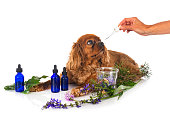
Your pet has a chronic condition that is not responding well to conventional medication — or maybe the medication is helping but the side effects are becoming a concern. Your vet mentions herbal medicine as an option. Or perhaps you have been researching on your own and want to understand what veterinary herbal medicine actually involves before pursuing it.
Either way, you probably have practical questions. What does the appointment look like? How are herbs prescribed? Are they safe alongside conventional medications? How long before you see results?
This guide answers those questions with the detail they deserve.
What Is Veterinary Herbal Medicine?
Veterinary herbal medicine is the use of plant-based preparations — dried herbs, tinctures, powders, teas, capsules, or topical applications — to prevent and treat disease in animals. It is one of the oldest forms of medicine in existence, predating pharmaceutical development by thousands of years.
Modern veterinary herbalism draws from several traditions:
Western herbal medicine uses plants native to Europe and North America. The approach is often symptom-focused, using individual herbs or simple combinations chosen for their known pharmacological actions — anti-inflammatory, antimicrobial, liver-protective, digestive, or immune-stimulating.
Traditional Chinese herbal medicine uses complex formulas, often containing 8 to 15 herbs, that are prescribed based on a TCVM pattern diagnosis rather than a Western disease label. The formulas are designed to address the underlying imbalance causing the symptoms, not just the symptoms themselves.
Ayurvedic herbal medicine draws from the traditional medicine system of India. While less common in veterinary practice, some practitioners incorporate Ayurvedic herbs and principles.
Most veterinary herbalists in the United States work within the Western or Chinese traditions, and many integrate both.
Who Prescribes Veterinary Herbal Medicine?
Herbal medicine for animals should be prescribed by a licensed veterinarian with additional training in herbalism. Key credentials include:
- VBMA (Veterinary Botanical Medicine Association) — the primary professional organization for veterinary herbalists in North America
- Chi Institute certification in Chinese herbal medicine — a comprehensive program covering formula design, diagnosis, and clinical application
- AHVMA (American Holistic Veterinary Medical Association) membership — indicates a broader commitment to integrative practice
Some veterinarians complete multi-year apprenticeships or graduate-level coursework in herbal medicine beyond these certifications.
Why credentials matter: Herbal medicine involves real pharmacology. Plants contain bioactive compounds that interact with the body — and with pharmaceutical medications. An untrained practitioner may miss dangerous herb-drug interactions, choose inappropriate herbs for a patient's condition, or use incorrect dosages. A trained veterinary herbalist understands both the therapeutic potential and the risks.
You can find herbalist veterinarians near you in our directory.
What Conditions Does Veterinary Herbal Medicine Treat?
Herbal medicine is particularly well suited for chronic and complex conditions where conventional medicine may fall short or where long-term pharmaceutical use carries side-effect risks:
Liver and kidney disease — herbs like milk thistle (Silybum marianum), dandelion root, and rehmannia are used to support organ function, protect against further damage, and in some cases slow disease progression. This is one of the areas where herbal medicine has some of its strongest evidence.
Skin conditions — chronic allergies, hot spots, recurring infections, and autoimmune skin disease. Herbs can work both internally (immune modulation, anti-inflammatory support) and topically (antimicrobial rinses, soothing salves).
Digestive disorders — inflammatory bowel disease, chronic diarrhea, constipation, appetite loss, and nausea. Many herbs have direct effects on gut motility, mucosal integrity, and the gut microbiome.
Arthritis and chronic pain — anti-inflammatory herbs like turmeric, boswellia, and corydalis can provide pain relief with fewer side effects than long-term NSAID use. They are often used alongside conventional pain management rather than as a replacement.
Cancer support — herbal medicine is used to support immune function, manage treatment side effects, protect organs during chemotherapy, and maintain quality of life. Some herbs have documented anti-tumor properties, though they are not used as stand-alone cancer treatments.
Anxiety and behavioral issues — calming herbs such as valerian, passionflower, chamomile, and certain Chinese formulas can reduce anxiety without the sedation that pharmaceutical options sometimes cause.
Immune support — for animals with recurring infections, autoimmune conditions, or weakened immune function. Adaptogenic herbs like astragalus and medicinal mushrooms (reishi, turkey tail) are commonly used.
Endocrine disorders — certain thyroid, adrenal, and hormonal conditions respond to herbal support, often as a complement to conventional management.
Before the Appointment: How to Prepare
Gather your pet's complete medical history. Bring records of all diagnoses, lab results, imaging, and surgeries. The herbalist needs to understand the full clinical picture.
List all current medications and supplements. This is critical. Herb-drug interactions are real, and the practitioner must know exactly what your pet is taking. Include everything — prescription medications, over-the-counter supplements, flea and tick preventatives, and any herbs or remedies you have already been giving on your own.
Write down your observations. When symptoms started, what makes them better or worse, changes in appetite, energy, elimination, and behavior. The more detail you can provide, the more precise the herbal prescription can be.
Plan for time. A first herbal medicine consultation typically takes 60 to 90 minutes. The practitioner needs to take a thorough history, examine your pet, and explain the treatment plan.
What Happens During the First Visit
Step 1: The Consultation (30-45 minutes)
The herbal medicine consultation goes deeper than a typical vet visit. The practitioner will ask about:
- Complete symptom history. Not just the primary complaint, but everything — energy levels, sleep patterns, appetite, thirst, urination, bowel movements, temperature preferences, and emotional disposition. In herbal medicine, these details matter because they reveal patterns about how the body is functioning as a whole.
- Diet and nutrition. What your pet eats is foundational to herbal prescribing. The practitioner needs to understand the nutritional baseline before adding herbal interventions.
- Environment and lifestyle. Stress levels, exercise patterns, exposure to toxins, household dynamics. These factors influence which herbs are appropriate and how the body will respond to treatment.
- Previous treatment responses. How your pet has responded to conventional medications, supplements, and any prior herbal or holistic treatments. This information helps the practitioner anticipate how sensitive your pet may be to new interventions.
If the practitioner works in the Chinese herbal tradition, they will also examine the tongue and take pulses, as these are diagnostic tools that guide formula selection.
Step 2: Physical Examination
The practitioner performs a physical exam that may include conventional assessment (heart, lungs, abdomen, joints, skin) along with additional observations specific to herbal prescribing:
- Tongue assessment. Color, moisture, coating, and shape provide information about internal organ function and the overall state of the body.
- Pulse assessment. In TCVM, the quality of the pulses at specific points indicates the condition of different organ systems.
- Palpation of specific acupuncture points. Tenderness at certain points can confirm diagnostic patterns and guide herb selection.
- Coat and skin quality. The condition of the fur, skin, and nails often reflects internal health and helps determine which organ systems need support.
Step 3: Diagnosis and Formula Design
Based on the history and exam, the practitioner develops a treatment plan. This is where herbal medicine differs significantly from conventional prescribing:
In Western herbal medicine, the practitioner may select 3 to 6 individual herbs based on their known pharmacological actions and combine them into a custom formula. For example, a formula for a dog with arthritis might include turmeric for inflammation, boswellia for joint support, and ashwagandha for pain and stress.
In Chinese herbal medicine, the practitioner identifies a TCVM pattern — a specific diagnosis that describes the underlying imbalance — and selects a classical formula or modifies one to fit the patient. A dog with arthritis might receive a very different formula depending on whether the pattern is diagnosed as Cold Bi Syndrome, Damp Bi Syndrome, or Kidney Qi Deficiency. The formula addresses the root cause, not just the symptom.
The practitioner explains: - Which herbs are being prescribed and why - The form the herbs will come in (powder, capsule, tincture, tea pills, or granules) - How to administer them (mixed with food, given directly, or applied topically) - Expected dosage and frequency - How long before results should be visible - Any potential side effects or interactions to watch for
Step 4: Dispensing and Administration Instructions
Most veterinary herbalists either compound custom formulas in-house or order from reputable veterinary herbal suppliers. Common forms include:
- Concentrated granules — mixed into food, easy to dose, commonly used in Chinese herbal medicine
- Tinctures — liquid extracts given by dropper, fast-absorbing, useful for animals that are difficult to pill
- Capsules or tablets — convenient, precise dosing, but some animals resist them
- Tea pills — small round pills used in Chinese herbal medicine, easy to give to cats
- Powdered herbs — mixed directly into food, appropriate for less picky eaters
- Topical preparations — salves, rinses, or compresses for skin conditions, wounds, or localized pain
The practitioner will demonstrate how to give the herbs if needed and discuss strategies for picky eaters. Mixing herbs with a small amount of canned food, bone broth, or a favorite treat usually works well.
What Happens After You Start the Herbs
Onset of effect varies. Some conditions respond within days — digestive issues and anxiety often show early improvement. Others, particularly chronic conditions like arthritis, liver disease, or autoimmune disorders, may take 2 to 4 weeks before noticeable changes appear.
Follow-up is essential. The practitioner will typically schedule a recheck at 2 to 4 weeks. At this visit, they reassess symptoms, check lab work if appropriate, and adjust the formula. Herbal medicine is not set-and-forget — formulas are refined over time as the patient's condition evolves.
Watch for side effects. Herbal medicine is generally well tolerated, but some animals experience: - Mild digestive upset (loose stool, decreased appetite) when starting a new formula — this usually resolves within a few days - Rarely, allergic reactions to a specific herb - Changes in energy level as the body adjusts
Report any concerns to the practitioner promptly. Dosages can be adjusted and individual herbs can be substituted if needed.
Do not stop or adjust medications on your own. If your pet is on conventional medications, any changes should be made in coordination with your veterinary team. Some herbs are used to gradually reduce pharmaceutical dependence, but this must be done under professional supervision.
How Long Will My Pet Be on Herbs?
This depends on the condition:
- Acute issues (digestive upset, mild infection, anxiety episode): Days to a few weeks
- Chronic conditions (arthritis, IBD, liver disease): Months to ongoing, with formula adjustments over time
- Seasonal support (allergy season, winter joint stiffness): During the relevant period each year
- Cancer support: Typically ongoing throughout treatment
Some animals stay on herbal formulas long-term because the herbs are providing real benefit with minimal risk. Others use herbs for a defined period to resolve an issue and then discontinue.
What Does It Cost?
- Initial herbal consultation: $150 to $300 (often longer than a standard vet visit)
- Follow-up visits: $75 to $175
- Herbal formulas: $30 to $80 per month, depending on the animal's size and the complexity of the formula
- Lab work (if needed to monitor organ function): Standard veterinary pricing
The herbs themselves are an ongoing cost, but for many conditions they are less expensive than the conventional medications they complement or replace.
Safety: Herb-Drug Interactions to Know About
One of the most important reasons to work with a trained veterinary herbalist rather than self-prescribing is the risk of herb-drug interactions. Some examples:
- St. John's Wort can reduce the effectiveness of many pharmaceutical medications by accelerating their metabolism in the liver
- Garlic in medicinal doses can affect platelet function and should not be used with blood-thinning medications
- Licorice root can affect cortisol levels and interact with steroid medications
- Turmeric has blood-thinning properties and should be used cautiously alongside NSAIDs or before surgery
A trained herbalist screens for these interactions and selects herbs that are safe alongside your pet's current medications.
Finding a Veterinary Herbalist
Look for practitioners with specific training in veterinary herbal medicine — membership in the VBMA, Chi Institute certification in Chinese herbal medicine, or equivalent credentials.
Our directory of holistic veterinarians lets you search for herbal medicine practitioners by location. Many herbalists also practice acupuncture, nutritional therapy, and other modalities, offering a comprehensive approach to your pet's health.
Find a veterinary herbalist near you →
The Bottom Line
Veterinary herbal medicine is not a folk remedy or a shot in the dark. It is a structured, knowledge-intensive practice that uses plant pharmacology to treat real conditions — often the chronic, complex ones that conventional medicine struggles to resolve on its own.
The first visit is thorough and may feel different from any vet appointment you have experienced before. That depth is the point. Herbal medicine works best when the practitioner understands the whole patient, not just the diagnosis on the chart.
If your pet is dealing with a condition that has not responded fully to conventional treatment, or if you are looking for options with fewer long-term side effects, herbal medicine is worth a serious conversation with a qualified practitioner.
Join the Conversation
Have thoughts on this topic? Connect with other holistic pet parents in our community forum.
Join Holistic Pet Parents