What Is Holistic Veterinary Medicine?

Holistic veterinary medicine has moved from the margins of animal health care to an increasingly mainstream option for pet owners across the United States. But despite its growing popularity, many people are still unsure about what holistic veterinary medicine actually involves, how it differs from conventional care, and whether it is a legitimate approach to their pet's health.
This comprehensive guide explains what holistic veterinary medicine is, how practitioners are trained, the major treatment modalities, and why more pet owners than ever are seeking integrative care for their animals.
Defining Holistic Veterinary Medicine
At its core, holistic veterinary medicine is a philosophy of care that treats the whole animal rather than focusing solely on individual symptoms or diseases. The word "holistic" comes from the Greek word "holos," meaning whole or complete.
A holistic veterinarian considers every factor that contributes to an animal's health: physical condition, diet and nutrition, emotional and mental state, environment, lifestyle, genetics, and the relationships between all of these elements. Treatment plans are designed to address root causes of illness rather than simply suppressing symptoms, and they aim to support the body's natural ability to heal and maintain balance.
Most holistic veterinarians practice what is more accurately called integrative medicine—they do not reject conventional veterinary science but rather expand upon it by incorporating complementary therapies that offer additional tools for healing.
History and Origins
Holistic approaches to animal care are not new. Traditional Chinese Veterinary Medicine has been practiced for over 3,000 years. Herbal medicine for animals has ancient roots in cultures around the world. Homeopathic veterinary practice dates back to the 1800s.
What is relatively new is the organized professional movement to integrate these approaches with modern veterinary medicine. The American Holistic Veterinary Medical Association (AHVMA) was founded in 1982, and since then, the field has grown substantially. Training programs have become more rigorous, research has expanded, and professional standards have been established.
Today, holistic veterinary medicine is practiced by thousands of licensed veterinarians across the country, and many veterinary schools now include coursework on complementary and integrative therapies.
Core Philosophy
Several key principles distinguish holistic veterinary medicine from a purely conventional approach:
Treat the whole animal: Rather than focusing narrowly on one symptom or disease, holistic vets assess the entire animal—their physical health, emotional state, diet, environment, and lifestyle. This comprehensive view often reveals connections between seemingly unrelated symptoms.
Seek root causes: Holistic medicine asks "why" a disease has developed, not just "what" disease is present. By identifying and addressing the underlying causes of illness—such as dietary deficiencies, environmental toxins, chronic stress, or immune dysfunction—holistic vets aim to create lasting health improvements rather than temporary symptom relief.
Support natural healing: The body has remarkable self-healing abilities. Holistic veterinary medicine aims to support and enhance these natural processes rather than override them with aggressive interventions whenever possible.
Minimize harm: Holistic practitioners seek the least invasive, most natural treatment that will be effective for each condition. This does not mean avoiding conventional treatments when they are needed—it means thoughtfully choosing the best approach for each individual situation.
Individualized care: Two animals with the same diagnosis may receive very different treatment plans based on their unique constitution, temperament, lifestyle, and health history. This personalized approach is a hallmark of holistic medicine.
How Holistic Vets Are Trained
This is an important point that addresses one of the most common misconceptions about holistic veterinary medicine. Holistic veterinarians are, first and foremost, fully trained and licensed doctors of veterinary medicine (DVM or VMD). They complete the same rigorous four-year veterinary medical program as any conventional vet, following an undergraduate degree.
After earning their veterinary degree, holistic vets pursue additional specialized training in one or more complementary modalities. This additional training is substantial:
- Veterinary acupuncture certification through IVAS requires over 100 hours of training plus examination
- Chi Institute TCVM certification involves multiple levels of training spanning years
- AVCA animal chiropractic certification requires 210+ hours of coursework and examinations
- Veterinary botanical medicine programs through organizations like VBMA require extensive study of plant-based therapeutics
- Homeopathy training through the Academy of Veterinary Homeopathy involves advanced courses in homeopathic philosophy and practice
Many holistic vets hold certifications in multiple modalities, representing hundreds or even thousands of hours of additional training beyond their veterinary degree.
Major Treatment Modalities
Holistic veterinary medicine encompasses a range of treatment approaches:
Acupuncture uses thin needles at specific body points to stimulate healing, relieve pain, and restore balance. It is one of the most well-researched and widely accepted holistic modalities, with growing evidence supporting its effectiveness for pain, neurological conditions, and gastrointestinal disorders.
Traditional Chinese Veterinary Medicine (TCVM) is a comprehensive system that includes acupuncture, Chinese herbal medicine, food therapy, and Tui-na massage. TCVM uses a unique diagnostic framework to identify patterns of imbalance and develops individualized treatment plans.
Chiropractic care focuses on spinal and joint alignment to optimize nerve function, reduce pain, and improve mobility. It is particularly valuable for animals with back problems, gait abnormalities, and musculoskeletal conditions.
Herbal medicine uses plant-based treatments from both Western and Chinese traditions to address a wide range of conditions. Herbal formulas can provide anti-inflammatory, immune-supporting, digestive, and many other therapeutic effects.
Homeopathy uses highly diluted natural substances to stimulate the body's healing response. Treatment is highly individualized based on the totality of the animal's symptoms.
Nutritional therapy uses targeted dietary strategies and supplements to prevent and treat disease. This includes whole food nutrition, therapeutic diets, and supplement protocols designed for specific health conditions.
Physical rehabilitation includes therapeutic exercises, hydrotherapy, massage, and other hands-on therapies to restore function, build strength, and manage pain.
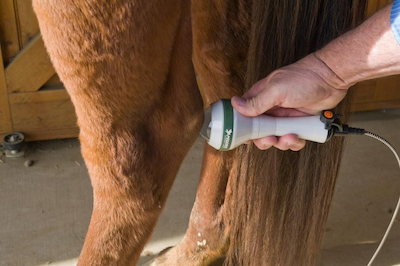
Laser therapy uses focused light energy to reduce inflammation, relieve pain, and accelerate tissue healing. It has become one of the fastest-growing modalities in both conventional and holistic veterinary practice.
Professional Organizations
Several organizations establish standards, provide training, and support holistic veterinary practitioners:
- AHVMA (American Holistic Veterinary Medical Association): The primary professional organization for holistic vets, promoting integrative approaches to animal care
- IVAS (International Veterinary Acupuncture Society): The leading certification body for veterinary acupuncture
- AVCA (American Veterinary Chiropractic Association): The gold standard for animal chiropractic certification
- Chi Institute: The premier training institution for Traditional Chinese Veterinary Medicine
- VBMA (Veterinary Botanical Medicine Association): Focused on herbal and botanical veterinary medicine
Common Misconceptions
"Holistic vets are not real vets." False. Holistic veterinarians hold the same DVM or VMD degree as any conventional vet, plus additional specialized training.
"Holistic medicine rejects conventional treatment." False. Most holistic vets practice integrative medicine, combining conventional and complementary approaches for the best outcomes.
"There is no scientific evidence for holistic treatments." Partially false. While research varies by modality, acupuncture, laser therapy, nutritional therapy, and other holistic approaches have growing bodies of scientific evidence supporting their use. Research continues to expand.
"Holistic care is only for minor problems." False. Holistic modalities are used to address serious conditions including chronic pain, neurological disease, cancer support, organ disease, and post-surgical recovery.
The Growing Demand for Integrative Pet Care
The demand for holistic veterinary medicine is growing for several reasons. Pet owners are increasingly informed about health care options and want the same integrative approach for their animals that many seek for themselves. The limitations of conventional approaches for chronic conditions have become apparent, particularly as pets live longer. And the desire to minimize pharmaceutical use while maximizing quality of life resonates with many modern pet owners.
If you are interested in exploring holistic veterinary medicine for your pet, our directory connects you with qualified practitioners across all 50 states. Whether you are looking for acupuncture, herbal medicine, chiropractic care, nutritional therapy, or comprehensive integrative care, you can find a holistic vet near you who is ready to help.
Join the Conversation
Have thoughts on this topic? Connect with other holistic pet parents in our community forum.
Join Holistic Pet Parents