Valley Fever in Dogs: Symptoms, Diagnosis, and How Holistic Care Can Help
If you live in Arizona, California, Nevada, New Mexico, or Texas, there is a health threat lurking in the soil that many pet owners have never heard of — and that many veterinarians outside the region may not immediately recognize. Valley Fever, formally known as Coccidioidomycosis, is a serious fungal infection that affects thousands of dogs every year, and it is frequently mistaken for other conditions until the disease has already progressed.
Understanding Valley Fever — what it is, how dogs get it, and what to watch for — could save your dog's life.
What Is Valley Fever?
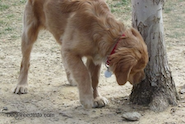
Valley Fever is caused by Coccidioides immitis and Coccidioides posadasii, fungi that live in the soil of arid and semi-arid regions. When soil is disturbed — by wind, digging, construction, or even a dog simply sniffing the ground — microscopic spores called arthroconidia become airborne and can be inhaled.
Once inside the lungs, these spores transform into a different form of the fungus and begin to multiply. In many cases the immune system contains the infection to the lungs. In others — particularly in dogs with a less robust immune response — the fungus spreads beyond the lungs to other parts of the body in what is called disseminated Valley Fever. This is where the condition becomes genuinely dangerous.
Dogs are significantly more susceptible to Valley Fever than humans, and they are exposed far more often because of their natural behaviors — digging, sniffing at ground level, and exploring disturbed soil.
Where Valley Fever Is Found
Valley Fever is primarily a disease of the American Southwest, though its geographic range has been expanding in recent years as climate conditions change.
| Region | Risk Level and Notes |
|---|---|
| Arizona (especially Phoenix, Tucson) | Highest risk — the epicenter of Valley Fever cases in the US |
| Central California (San Joaquin Valley) | Very high risk — region gives the disease its common name |
| New Mexico, Nevada, Utah, Texas | Moderate to high risk, particularly in desert areas |
| Pacific Northwest, parts of Washington | Emerging cases — range expanding northward |
| Outside endemic regions | Dogs can become infected while traveling and show symptoms after returning home — often leading to delayed diagnosis |
This last point is critically important. If your dog has recently traveled to the Southwest and develops unexplained respiratory or systemic symptoms weeks later, Valley Fever must be on the list of possibilities — even if you live somewhere it is not normally seen.
Why Valley Fever Is So Often Missed
Valley Fever is sometimes called "the great imitator" because its symptoms overlap with so many other conditions. A dog presenting with coughing and fever might be evaluated for kennel cough, pneumonia, or allergies. A dog with lameness and swelling might be assessed for orthopedic injury. A dog losing weight and showing lethargy might be worked up for cancer or autoimmune disease.
Without a specific test for Valley Fever, and without a veterinarian who thinks to ask about geographic exposure, weeks or months can pass before the correct diagnosis is made — time during which the infection continues to progress.
Warning Signs to Watch For
Symptoms vary significantly depending on whether the infection remains in the lungs or disseminates to other parts of the body.
Primary (Lung) Infection
These signs typically appear two to four weeks after exposure:
- Persistent dry or harsh cough
- Fever that does not resolve with standard treatment
- Lethargy and decreased activity
- Loss of appetite and weight loss
- Difficulty breathing in more serious cases
Disseminated Infection
When the fungus spreads beyond the lungs, the symptoms depend on where it travels:
- Bones and joints — lameness, limping, painful swelling over bones, reluctance to bear weight
- Skin — draining sores or lesions that do not heal normally
- Eyes — redness, cloudiness, discharge, or sudden blindness
- Brain and spinal cord — seizures, sudden behavior changes, loss of coordination, paralysis
- Lymph nodes — firm, enlarged nodes under the jaw, in front of the shoulders, or behind the knees
If your dog develops seizures, sudden blindness, or rapid neurological changes and has any history of travel to or residence in the Southwest, seek emergency veterinary care immediately. Disseminated Valley Fever affecting the central nervous system is a medical emergency.
How Valley Fever Is Diagnosed
Diagnosis typically involves a combination of the following:
Serology (titer test) — A blood test that measures the level of antibodies the immune system has produced against Coccidioides. This is the most commonly used diagnostic tool. A positive titer strongly suggests active infection, and the titer level gives some indication of severity.
Chest X-rays — Most dogs with primary Valley Fever show characteristic changes in the lungs, including enlarged lymph nodes near the airways and areas of inflammation.
Urinalysis and bloodwork — Can reveal systemic inflammation and help assess organ function, particularly important for monitoring during treatment.
Bone X-rays — If lameness or bone pain is present, X-rays of the affected area often show characteristic bone lesions.
Fungal culture or tissue biopsy — Less commonly used but definitive. Growing the organism in culture or identifying it in tissue confirms the diagnosis.
Conventional Treatment
The primary treatment for Valley Fever is long-term antifungal medication. The two most commonly prescribed are:
- Fluconazole — Generally the preferred first-line treatment; well-tolerated by most dogs
- Itraconazole — An alternative for dogs that do not respond to fluconazole
Treatment is typically required for a minimum of six to twelve months, and in some cases — particularly with disseminated disease or recurring infections — it must continue for the dog's entire life. This is not optional. Stopping treatment prematurely is one of the most common causes of relapse.
The medication is generally effective at controlling the infection, but it does not eradicate the fungus entirely. The goal is to suppress the organism enough that the immune system can keep it in check. Regular recheck titers are used to monitor progress and determine when — or whether — medication can eventually be tapered.
Where Holistic and Integrative Veterinary Care Fits In
Conventional antifungal treatment is non-negotiable for Valley Fever — this is not a condition to approach with natural remedies alone. However, holistic and integrative veterinarians have a meaningful role to play in supporting a dog's long-term health and quality of life during what is often a prolonged treatment process.
Liver support is one of the most important areas. Long-term antifungal medications — particularly itraconazole — place a significant burden on the liver. Holistic vets commonly recommend milk thistle (silymarin), SAMe, or other hepatoprotective supplements to support liver function throughout treatment. Regular liver enzyme monitoring is essential.
Immune support through nutrition, targeted supplementation, and stress reduction helps the immune system do its part in containing the infection. A nutritional therapy consultation can help ensure your dog's diet is anti-inflammatory and genuinely supportive of immune function during this demanding time.
Acupuncture can support quality of life in dogs dealing with chronic pain from bone or joint involvement, and may help with fatigue and appetite in dogs who are struggling with the physical burden of long-term illness. Acupuncture is well established as a supportive tool for chronic disease management in veterinary medicine.
Traditional Chinese Veterinary Medicine (TCVM) offers a framework for understanding and supporting the systemic imbalances that chronic fungal disease creates. A TCVM-trained veterinarian may incorporate herbal formulas and food therapy to address the patterns underlying a dog's particular presentation — something conventional medicine does not have tools for.
If your dog has been diagnosed with Valley Fever and you are interested in integrative support alongside conventional treatment, look for a veterinarian experienced in working with chronic infectious disease who is willing to coordinate care with your primary vet.
Living With a Dog Diagnosed With Valley Fever
A Valley Fever diagnosis is frightening, but many dogs go on to live full and happy lives with appropriate treatment. A few things that help:
- Stay consistent with medication — missed doses are one of the most common reasons for treatment failure
- Attend all recheck appointments — titer monitoring is how your vet knows if the treatment is working
- Reduce high-impact exercise during active disease — bones weakened by disseminated infection are at risk of fracture
- Communicate with your vet about anything new — new symptoms during treatment can signal a change in the disease
- Inform any new veterinarian — if you move or see a specialist, make sure Valley Fever history is part of your dog's record
Frequently Asked Questions
What is Valley Fever in dogs? Valley Fever (Coccidioidomycosis) is a fungal infection caused by Coccidioides species that live in the soil of the American Southwest. Dogs become infected by inhaling microscopic spores from disturbed soil. The infection can remain in the lungs or spread throughout the body, causing a wide range of symptoms depending on severity.
How do dogs get Valley Fever? Dogs are infected by inhaling airborne fungal spores kicked up from disturbed soil. Digging, sniffing at ground level, and exploring dusty or construction areas all increase exposure risk. The disease is most common in Arizona, California's San Joaquin Valley, New Mexico, Nevada, and Texas, but dogs can be exposed while traveling and show symptoms weeks later after returning home.
What are the symptoms of Valley Fever in dogs? Early symptoms include persistent coughing, fever, lethargy, loss of appetite, and weight loss. If the infection spreads beyond the lungs (disseminated Valley Fever), dogs may develop lameness, bone swelling, draining skin sores, eye problems, or — in the most serious cases — seizures, loss of coordination, and other neurological signs. Any dog with these symptoms and a history of travel to the Southwest should be tested promptly.
Can Valley Fever in dogs be cured? Most dogs with Valley Fever are managed rather than fully cured. Long-term antifungal medication (typically 6–12 months minimum) suppresses the infection and allows the immune system to contain it. Some dogs require lifelong treatment, particularly those with disseminated disease or recurring infections. With consistent treatment, many dogs live full, comfortable lives.
How can a holistic vet help a dog with Valley Fever? Holistic vets provide complementary support alongside required conventional antifungal treatment. They commonly recommend liver-supportive supplements (such as milk thistle or SAMe) to protect against medication side effects, use acupuncture to manage chronic pain from bone involvement, and apply nutritional and TCVM approaches to support immune function and quality of life during prolonged treatment.
Join the Conversation
Have thoughts on this topic? Connect with other holistic pet parents in our community forum.
Join Holistic Pet Parents