Naturopathic Vet vs. Holistic Vet: Understanding the Differences

If you have been researching alternative veterinary care for your pet, you have likely come across the terms "naturopathic vet" and "holistic vet." While these terms are sometimes used interchangeably, they actually represent somewhat different philosophies and approaches to animal health care. Understanding these differences can help you find the right practitioner for your pet.
What Is a Holistic Veterinarian?
A holistic veterinarian is a licensed doctor of veterinary medicine (DVM) who practices integrative medicine—combining conventional veterinary care with complementary and alternative therapies. The term "holistic" refers to the philosophy of treating the whole animal rather than just addressing individual symptoms or diseases.
Holistic vets consider every aspect of an animal's health, including physical condition, diet, environment, emotional state, and lifestyle. They use this comprehensive assessment to develop treatment plans that may include both conventional and alternative approaches.
The range of therapies a holistic vet might offer is broad and can include:
- Acupuncture and Traditional Chinese Veterinary Medicine
- Chiropractic adjustments
- Herbal medicine (both Western and Chinese)
- Homeopathy
- Nutritional therapy and diet counseling
- Physical rehabilitation
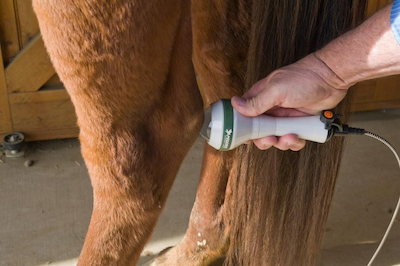
- Laser therapy
- Massage therapy
- Energy healing modalities
Most holistic vets are true integrative practitioners. They may prescribe conventional medications when needed, recommend surgery when appropriate, and use diagnostic tools like blood work, X-rays, and ultrasound alongside their complementary therapies.
What Is a Naturopathic Veterinarian?
Naturopathic veterinary medicine is a subset of holistic medicine that places particular emphasis on using natural substances and the body's inherent ability to heal itself. The core principles of naturopathic medicine include:
The healing power of nature: Naturopathic vets believe that the body has an inherent ability to heal when given the right support. Their role is to identify and remove obstacles to healing and to provide natural support for the body's recovery processes.
First, do no harm: Naturopathic practitioners prioritize the least invasive, most natural treatments available. They avoid suppressing symptoms and instead seek to address root causes.
Treat the cause, not just the symptoms: Rather than simply managing symptoms with medication, naturopathic vets work to identify and treat the underlying causes of disease.
Prevention is the best medicine: Naturopathic veterinary care places strong emphasis on preventing disease through proper nutrition, lifestyle, and environmental management.
A naturopathic vet typically focuses on therapies such as:
- Nutritional medicine and whole food diets
- Herbal and botanical medicine
- Homeopathy
- Hydrotherapy
- Detoxification protocols
- Lifestyle and environmental modifications
- Supplement therapy
Key Differences Between the Two Approaches
While holistic and naturopathic veterinary care share many principles, there are some meaningful differences:
Scope of practice: Holistic veterinary medicine is a broader umbrella term that encompasses many different modalities, including some that are quite technical (such as acupuncture, chiropractic, and laser therapy). Naturopathic medicine tends to focus more specifically on natural substances and lifestyle-based interventions.
Relationship with conventional medicine: Holistic vets generally embrace a fully integrative approach, freely combining conventional and alternative therapies. Naturopathic vets, while not opposed to conventional medicine, tend to emphasize natural approaches first and may turn to conventional interventions only when natural methods are insufficient.
Treatment philosophy: Both approaches treat the whole animal, but naturopathic medicine places extra emphasis on the body's self-healing capacity and on removing obstacles to health. Holistic medicine may be more willing to intervene directly with treatments like acupuncture or chiropractic adjustments.
Emphasis on diet and lifestyle: While all holistic vets consider nutrition important, naturopathic practitioners often make diet and lifestyle the foundation of their treatment approach. They may spend more time on detailed nutritional counseling and environmental assessment.
Where the Approaches Overlap
Despite their differences, naturopathic and holistic veterinary care overlap significantly:
- Both treat the whole animal, not just symptoms
- Both consider diet, environment, and emotional health
- Both seek to identify and address root causes of illness
- Both value natural and minimally invasive treatments
- Both practitioners are licensed veterinarians with additional specialized training
- Both can be part of an integrative care team alongside conventional veterinarians
In practice, many veterinarians who identify as "holistic" incorporate naturopathic principles into their approach, and many "naturopathic" vets use modalities commonly associated with holistic practice. The boundaries between these categories are fluid, and individual practitioners may draw from both traditions.
Which Approach Is Right for Your Pet?
Choosing between a naturopathic and holistic vet depends on your pet's specific needs and your own health care philosophy:
Consider a holistic vet if: - Your pet has a specific condition that might benefit from a targeted modality like acupuncture, chiropractic care, or laser therapy - You want a practitioner who freely combines conventional and alternative treatments - Your pet needs hands-on therapies for pain, mobility, or rehabilitation - You are looking for a practitioner who offers a wide range of treatment options
Consider a naturopathic vet if: - You prioritize natural, minimally invasive treatments - Your pet's issues may be related to diet, environment, or lifestyle factors - You are interested in a prevention-focused approach to your pet's health - You want to explore nutritional therapy as a primary treatment strategy - Your pet is sensitive to medications and you want to minimize pharmaceutical use
Consider both approaches if: - Your pet has complex health issues that might benefit from multiple perspectives - You want the most comprehensive evaluation of your pet's overall health - You are open to exploring different treatment options to find what works best
How Integrative Medicine Bridges Both Approaches
The growing field of integrative veterinary medicine brings together the best of all approaches—conventional, holistic, and naturopathic. Many modern practitioners do not limit themselves to a single philosophy but instead draw from whatever approach offers the best outcomes for each individual patient.
This integrative model recognizes that there is no single approach that works for every condition or every animal. A dog with a torn ligament may need surgery (conventional), acupuncture for pain management (holistic), and nutritional support for healing (naturopathic)—all working together as part of a coordinated treatment plan.
Finding the Right Practitioner
When searching for a naturopathic or holistic vet near you, focus less on the label and more on the practitioner's actual skills, philosophy, and experience:
- Review their training and certifications
- Ask about their approach to treatment and how they integrate different modalities
- Discuss your pet's specific needs and health goals
- Evaluate whether their communication style and philosophy align with your values
- Ask about their willingness to collaborate with your current conventional vet
Our directory includes holistic and integrative veterinarians across all 50 states who practice a variety of natural and complementary therapies. Use our search tools to find a practitioner near you and schedule a consultation to learn more about how they can support your pet's health.
The most important thing is not whether a practitioner calls themselves holistic or naturopathic, but whether they are qualified, compassionate, and committed to providing the best possible care for your pet.
Join the Conversation
Have thoughts on this topic? Connect with other holistic pet parents in our community forum.
Join Holistic Pet Parents