How Much Does Holistic Vet Care Cost? A Realistic Breakdown

One of the most common questions pet owners ask before exploring holistic veterinary care is about cost. It is a reasonable concern—you want to provide the best possible care for your pet while being financially responsible. The good news is that holistic veterinary care may be more affordable than you expect, and in some cases, it can actually save you money over the long term.
This guide provides realistic cost ranges for the most common holistic veterinary modalities, along with tips for managing expenses.
Initial Consultation Costs
The first visit to a holistic or integrative veterinarian is typically longer and more thorough than a standard veterinary appointment. Expect the initial consultation to last 45 minutes to 90 minutes, compared to the typical 15 to 20 minutes at a conventional vet.
Initial consultation fees typically range from $100 to $300, depending on your geographic location, the practitioner's experience and credentials, and the complexity of your pet's health issues.
This initial visit is an investment in understanding your pet's complete health picture. The holistic vet will review your pet's medical history, diet, lifestyle, and environment before developing a comprehensive treatment plan. Many pet owners find that this thorough initial evaluation provides insights they have never received from conventional appointments alone.
Costs by Treatment Modality
Acupuncture
- Per session: $75 to $200
- Typical frequency: Weekly for 4 to 6 weeks initially, then tapering to monthly maintenance
- Initial treatment course cost: $300 to $1,200
- Monthly maintenance: $75 to $200
Acupuncture is one of the most cost-effective holistic modalities. Many pets show significant improvement within the first few sessions, and the benefits are cumulative—meaning less frequent treatments are needed over time.
Chiropractic Care
- Per session: $65 to $200
- Typical frequency: Weekly for 2 to 4 weeks, then every 2 to 6 weeks for maintenance
- Initial treatment course cost: $130 to $800
- Maintenance: $65 to $200 every 2 to 6 weeks
Like acupuncture, chiropractic care often shows results quickly, and maintenance sessions are less frequent once the initial issue is addressed.
Herbal Medicine and Supplements
- Monthly cost: $30 to $100 for Chinese or Western herbal formulas
- Supplements: $20 to $60 per product per month
- Total monthly cost: $50 to $160 depending on the number of products prescribed
Herbal medicine is an ongoing cost, but the monthly expense is often comparable to or less than the cost of conventional medications for chronic conditions.
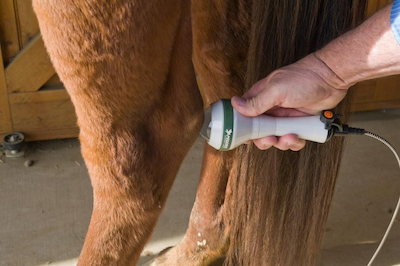
Laser Therapy
- Per session: $30 to $80
- Typical initial course: 6 to 10 sessions
- Initial treatment course cost: $180 to $800
- Maintenance: $30 to $80 per session, every 2 to 4 weeks
Many practices offer package pricing for laser therapy, which can reduce the per-session cost significantly.
Nutritional Therapy
- Consultation fee: Often included in holistic vet visit or $50 to $150 for a dedicated nutrition consultation
- Dietary changes: Variable, depending on whether you switch to a therapeutic diet, raw food, or home-cooked meals
- Supplements: $20 to $80 per month
Nutritional therapy can be one of the most affordable holistic approaches since much of it involves changing what you feed your pet rather than purchasing additional treatments.
Homeopathy
- Initial consultation: $150 to $300 (typically longer than other modalities)
- Remedies: $10 to $30 per remedy (homeopathic remedies are generally inexpensive)
- Follow-up visits: $75 to $150 every 4 to 8 weeks
- Monthly cost after initial visits: $75 to $150 plus remedy costs
Homeopathy is notable for having relatively low ongoing costs since the remedies themselves are quite affordable.
Physical Rehabilitation
- Per session: $50 to $150
- Typical frequency: 1 to 2 times per week
- Monthly cost: $200 to $1,200 during active rehabilitation
- Maintenance: Less frequent sessions once goals are achieved
Rehabilitation is often a more intensive short-term investment, particularly after surgery or injury, but the duration is usually limited.
How Holistic Care Can Save Money Long-Term
While the upfront costs of holistic care may seem comparable to conventional treatment, many pet owners find that integrative approaches save money over time in several ways:
Reduced medication costs: Holistic treatments often allow for reduced reliance on expensive long-term medications. A dog on chronic pain medication might need fewer or lower-dose medications once acupuncture or chiropractic care is added to the treatment plan.
Fewer recurring vet visits: By addressing root causes rather than just managing symptoms, holistic care can reduce the frequency of acute illness visits. A pet with recurring ear infections might need fewer antibiotics and fewer emergency appointments once the underlying cause is addressed through diet and holistic treatment.
Prevention of costly conditions: Holistic approaches that focus on prevention, nutrition, and overall wellness can help avoid expensive health crises down the road. Investing in good nutrition and regular holistic wellness care may help prevent conditions that would cost thousands to treat conventionally.
Better quality of life in senior years: Senior pets who receive integrative care often maintain better health and mobility, potentially reducing the need for expensive end-of-life interventions.
Pet Insurance and Holistic Care
Pet insurance coverage for holistic treatments varies significantly between providers. Some things to know:
- Some insurance plans now cover acupuncture, chiropractic care, and physical rehabilitation, especially when prescribed by a licensed veterinarian.
- Coverage for herbal medicine and homeopathy is less common but is offered by some comprehensive plans.
- Wellness plans that cover preventive care may help offset the cost of holistic wellness visits.
- If you are shopping for pet insurance, ask specifically about coverage for complementary and alternative therapies before choosing a plan.
Even without insurance, many holistic vets offer payment plans or package pricing that can make treatment more affordable.
Tips for Managing Holistic Vet Care Costs
Here are practical strategies for keeping costs manageable:
- Start with a thorough consultation. Understanding the full picture upfront helps avoid unnecessary treatments and allows for a focused, efficient treatment plan.
- Ask about package pricing. Many practices offer discounted rates when you purchase a series of treatments upfront.
- Prioritize treatments. If your pet needs multiple modalities, your vet can help you determine which will provide the most benefit for your investment.
- Learn home care techniques. Some holistic vets will teach you massage, acupressure points, or rehabilitation exercises you can do at home between visits.
- Focus on nutrition. Dietary improvements are often the most cost-effective holistic intervention and can reduce the need for other treatments.
- Consider telehealth. Some holistic vets offer telehealth consultations for follow-ups and nutritional counseling, which are often less expensive than in-person visits.
The Bottom Line
Holistic veterinary care does not have to break the bank. While costs vary based on your location, your pet's needs, and the specific treatments recommended, most pet owners find that integrative care is a reasonable investment in their pet's health and quality of life.
Use our directory to find holistic veterinarians near you and do not hesitate to ask about fees during your initial inquiry. A good holistic vet will be transparent about costs and will work with you to develop a treatment plan that fits both your pet's needs and your budget.
Join the Conversation
Have thoughts on this topic? Connect with other holistic pet parents in our community forum.
Join Holistic Pet Parents