Holistic vs. Conventional: When to Consider Integrative Care
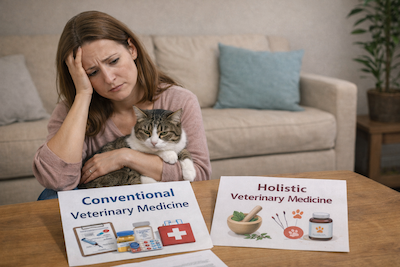
The most common misconception about holistic veterinary medicine is that it is an alternative to conventional care — that you have to choose one or the other. In reality, the most effective approach for most pets is integrative: using the best tools from both conventional and holistic medicine, matched to the patient's specific needs.
Conventional veterinary medicine excels at acute care, diagnostics, surgery, and emergency medicine. Holistic medicine excels at chronic disease management, pain control, immune support, and addressing underlying causes that conventional diagnostics may not fully explain.
The question is not "should I go holistic or conventional?" The question is "when does adding holistic care make my pet's treatment plan meaningfully better?"
This guide helps you answer that question.
What Conventional Medicine Does Best
Conventional veterinary medicine is built on rigorous scientific methodology — controlled studies, standardized diagnostics, and evidence-based treatment protocols. Its strengths are enormous:
Emergency and acute care. If your pet is hit by a car, ate something toxic, or is in acute respiratory distress, you need a conventional emergency vet. There is no holistic substitute for emergency surgery, fluid therapy, or critical care monitoring.
Diagnostics. Blood panels, X-rays, ultrasound, MRI, CT scans, biopsies — the diagnostic toolkit of conventional medicine is unmatched. These tools identify diseases, stage cancers, assess organ function, and guide treatment decisions with precision.
Surgery. From routine spays and neuters to complex orthopedic repairs, tumor removals, and emergency abdominal surgery, surgical intervention is a cornerstone of veterinary medicine that holistic modalities cannot replace.
Infectious disease. Bacterial infections requiring antibiotics, viral diseases, and parasitic infestations are treated most effectively with conventional pharmaceuticals. Vaccines — one of the greatest achievements of modern medicine — have virtually eliminated several fatal diseases in companion animals.
Acute pain management. For severe, acute pain — post-surgical, traumatic injury, or acute disc disease — conventional pain medications provide rapid, reliable relief that allows the animal to rest and heal.
What Holistic Medicine Does Best
Holistic veterinary medicine operates from a different set of strengths — strengths that complement rather than compete with conventional care:
Chronic disease management. This is where holistic medicine consistently demonstrates its greatest value. Conditions like arthritis, inflammatory bowel disease, chronic skin allergies, and recurring ear infections are managed long-term. Conventional medicine offers effective symptom control, but holistic approaches often address why the condition persists and how to reduce its severity over time.
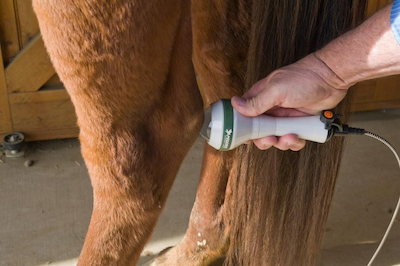
Pain management with fewer side effects. Long-term NSAID use carries risks of liver damage, kidney damage, and gastrointestinal bleeding. Acupuncture, laser therapy, chiropractic, and herbal medicine can provide meaningful pain relief while reducing pharmaceutical dependence. Many integrative protocols use conventional pain medication at lower doses, supplemented by holistic modalities, to achieve better overall control with fewer side effects.
Immune system support. Autoimmune conditions, recurrent infections, and allergic diseases all involve immune dysfunction. Holistic modalities like acupuncture, herbal medicine, nutritional therapy, and TCVM are specifically designed to modulate immune function — helping the immune system work correctly rather than simply suppressing it.
Behavioral and emotional health. Anxiety, fear, aggression, and compulsive behaviors are complex conditions with physical, neurological, and emotional components. Holistic approaches — particularly homeopathy, TCVM, acupuncture, and nutritional therapy — treat the whole patient, including emotional patterns that conventional medicine may address solely with pharmaceuticals.
Cancer support. Holistic medicine does not replace oncology, but it significantly supports quality of life during and after cancer treatment. Acupuncture manages chemotherapy-related nausea. Herbal medicine supports immune function and organ health. Nutritional therapy maintains body condition. Together, these therapies help cancer patients live more comfortably and sometimes longer than with conventional treatment alone.
Preventive wellness. Rather than waiting for disease to develop and then treating it, holistic medicine emphasizes maintaining health through optimal nutrition, regular bodywork, stress management, and proactive immune support. This preventive mindset can delay or prevent conditions that are expensive and difficult to treat once established.
Senior pet care. Aging pets often develop multiple concurrent conditions — arthritis plus kidney disease plus cognitive decline plus diminished appetite. Holistic medicine's whole-patient approach is ideally suited to managing this complexity, supporting quality of life across multiple systems simultaneously.
When to Consider Adding Holistic Care
Here are the specific situations where integrative care adds the most value:
Your Pet Has a Chronic Condition That Is Not Fully Resolving
This is the most common entry point to holistic care. Your dog has been on arthritis medication for two years and is still stiff. Your cat's IBD flares up every few months despite dietary changes. Your pet's skin allergies are managed but never resolved.
If conventional treatment is keeping the condition at bay but not making meaningful progress toward resolution, holistic modalities may address the underlying factors that conventional treatment is not reaching.
Your Pet Cannot Tolerate Conventional Medication
Some animals develop side effects from medications they need long-term — GI upset from NSAIDs, liver enzyme elevations from chronic drug use, behavioral changes from certain medications. When a necessary medication is causing problems, holistic alternatives or adjuncts can provide the same therapeutic goal through a different mechanism.
Your Pet Is Facing Surgery
Holistic care before and after surgery can improve outcomes significantly: - Pre-surgical acupuncture reduces anxiety and prepares the body for the stress of anesthesia and surgery - Post-surgical laser therapy accelerates incision healing and reduces swelling - Post-surgical acupuncture manages pain and supports recovery with less pharmaceutical dependence - Rehabilitation restores function and prevents compensatory problems
Your Pet Has Been Diagnosed with Cancer
Cancer treatment decisions are among the most difficult a pet owner faces. Integrative care does not replace surgery, chemotherapy, or radiation when those are appropriate — but it provides critical support: - Pain management through acupuncture and herbal medicine - Nausea control during chemotherapy - Immune support through nutritional therapy and medicinal mushrooms - Quality of life maintenance through bodywork and stress reduction - Support for organs stressed by chemotherapy
Your Pet Is a Senior
Aging is not a disease, but it involves declining function across multiple systems simultaneously. An integrative approach that addresses joint health, cognitive function, organ support, and mobility through combined conventional and holistic modalities can meaningfully extend your pet's comfortable, active years.
Your Pet Has Behavioral Issues
Anxiety, fear, and aggression are frequently treated with pharmaceuticals alone. Adding acupuncture, TCVM, dietary optimization, or homeopathy can address underlying contributors — pain that is causing irritability, gut-brain axis dysfunction, constitutional imbalances — that medication alone does not reach.
You Want a Proactive Wellness Approach
You do not have to wait for a problem to see a holistic vet. Nutritional optimization, regular bodywork, and periodic integrative wellness exams can identify and address imbalances before they become clinical disease. This is particularly valuable for breeds predisposed to specific conditions — proactive joint support for large breed dogs, early dietary optimization for breeds prone to GI issues, etc.
How Integrative Care Works in Practice
A well-run integrative practice does not operate in isolation from conventional medicine. Here is what good integrative care looks like:
Shared records. Your holistic vet and your conventional vet should have access to the same medical records. Diagnoses, lab results, medications, and treatment plans should be coordinated.
Complementary protocols. The holistic vet designs treatments that work alongside conventional care, not against it. If your dog is on carprofen for arthritis, the holistic vet might add acupuncture and laser therapy to provide additional relief, potentially allowing a dose reduction of the NSAID over time — but any medication changes are made in coordination with the prescribing vet.
Evidence-informed decision making. Reputable holistic vets use modalities with clinical evidence, recommend diagnostic testing when appropriate, and refer to specialists when a condition exceeds their scope. They do not discourage necessary conventional treatment or make promises about curing incurable diseases.
Regular reassessment. Treatment plans are adjusted based on the patient's response — measured through clinical improvement, lab work, owner observations, and quality of life assessment. What works is continued and expanded. What does not work is modified or replaced.
Red Flags: When to Be Cautious
Not all holistic practitioners operate with the same standards. Be wary if a practitioner:
- Tells you to stop all conventional medications without a transition plan or consultation with your primary vet
- Guarantees a cure for a chronic or serious condition
- Discourages diagnostic testing — a good holistic vet wants the same diagnostic information as a conventional vet
- Refuses to coordinate with your primary veterinarian
- Recommends only their own proprietary products at premium prices
- Dismisses conventional medicine entirely rather than integrating the best of both approaches
The best holistic veterinarians are, first and foremost, excellent veterinarians. They use their conventional training as the foundation and add holistic modalities where they provide additional benefit.
How to Find the Right Integrative Vet
When searching for a holistic or integrative veterinarian, consider:
Credentials. Look for a DVM or VMD with additional certifications in specific modalities — CVA (acupuncture), AVCA (chiropractic), AHVMA membership, Chi Institute training, etc. These credentials indicate dedicated postgraduate training beyond veterinary school.
Approach. The best practitioners are integrative, not dogmatic. They should be willing to use conventional medicine when it is the best tool and holistic medicine when it adds value — not one to the exclusion of the other.
Communication. They should explain their reasoning, discuss evidence, present options, and respect your role in decision-making. Good holistic vets educate their clients.
Willingness to coordinate. They should actively communicate with your primary vet, share records, and design treatments that complement rather than conflict with existing care.
Our directory of holistic veterinarians includes over 3,200 practitioners across all 50 states, searchable by location and modality. Each listing includes credentials, specialties, species treated, and Google ratings from other pet owners.
Find an integrative vet near you →
The Bottom Line
The debate between holistic and conventional veterinary medicine is a false choice. The real question is not which approach is better — it is which combination of approaches gives your specific pet the best chance at a long, comfortable, healthy life.
For acute emergencies, surgery, and infectious disease — conventional medicine is indispensable. For chronic conditions, pain management, immune support, and preventive wellness — holistic modalities offer tools that conventional medicine often lacks. For most pets with ongoing health concerns, the answer is both.
The growing number of veterinarians pursuing integrative training reflects a profession-wide recognition that the best medicine is not constrained by ideology. It draws from every available resource — conventional, holistic, ancient, and modern — in service of the only thing that matters: the health and well-being of the animal in front of them.
That is integrative care. And it might be exactly what your pet needs.
Join the Conversation
Have thoughts on this topic? Connect with other holistic pet parents in our community forum.
Join Holistic Pet Parents