Holistic Veterinary Care for Cats: Natural Approaches to Feline Health
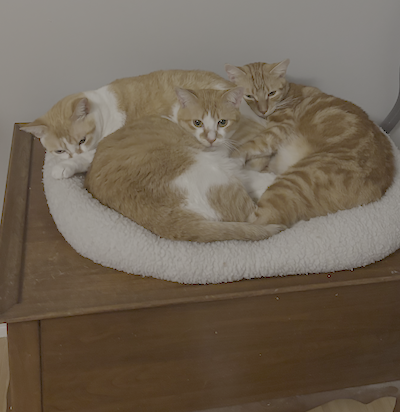
Cats are remarkable animals — self-sufficient, mysterious, and physiologically unique in ways that set them apart from every other domestic species. They are obligate carnivores with specialized metabolisms, highly sensitive nervous systems, and a strong instinct to mask signs of illness. These characteristics make cats both challenging to treat and particularly well-suited to the whole-body, individualized approach that holistic veterinary medicine offers.
Despite making up nearly half of all pet ownership in the United States, cats are significantly underrepresented in veterinary care. Many cat owners bring their feline companions to the vet far less frequently than dog owners — and when they do, conventional medicine sometimes falls short for the chronic, complex conditions that cats commonly develop as they age. Holistic and integrative veterinary care is filling that gap in important ways.
How Cats Are Different — and Why It Matters for Healthcare
Understanding feline physiology is the foundation of good holistic cat care:
Cats are obligate carnivores. Unlike dogs and humans, cats cannot synthesize certain essential nutrients and must obtain them from animal protein. This makes nutrition therapy for cats fundamentally different from other species — approaches that work well for dogs can be harmful to cats.
Cats process medications differently. Cats lack certain liver enzymes that dogs and humans use to metabolize drugs and many plant compounds. This is why many essential oils, herbal remedies, and over-the-counter medications that are safe for dogs are toxic to cats. Any herbal or nutritional therapy for cats must be overseen by a veterinarian with specific feline training.
Cats hide illness instinctively. As both predator and prey in the wild, cats evolved to conceal vulnerability. By the time a cat shows obvious signs of illness, the condition is often well advanced. Holistic care — with its emphasis on preventive wellness and whole-body assessment — often catches subtle imbalances earlier than conventional reactive care.
Cats are highly stress-sensitive. The feline nervous system is exquisitely sensitive to environmental stress, and many common cat health problems — from urinary issues to inflammatory bowel disease — have a strong stress component. Holistic approaches that address the mind-body connection are often particularly effective for cats.
Common Feline Conditions Holistic Care Addresses
Chronic Kidney Disease
Chronic kidney disease (CKD) is the most common serious health condition in older cats. While conventional medicine focuses on managing symptoms and slowing progression, holistic care adds nutritional support, acupuncture for improved kidney circulation and quality of life, and herbal formulas to support kidney function and reduce inflammation. Many cat owners find that an integrative approach helps their cats with CKD live longer and more comfortably than conventional care alone.
Hyperthyroidism
Hyperthyroidism — overproduction of thyroid hormone — affects a large percentage of cats over ten years old. Conventional treatment options include medication, radioactive iodine, and surgery. Holistic veterinarians often complement these approaches with nutritional therapy, herbal support, and acupuncture to address the whole cat rather than just the thyroid.
Inflammatory Bowel Disease and Digestive Issues
IBD, chronic vomiting, and digestive upset are extremely common in cats. Holistic veterinarians look at the full picture — diet, stress, immune function, and gut microbiome — rather than simply suppressing symptoms with steroids. Nutritional therapy and targeted herbal medicine often produce significant improvement in cats with chronic digestive issues.
Arthritis and Mobility Issues
Feline arthritis is dramatically underdiagnosed because cats rarely limp — they simply become less active, stop jumping, and groom less. Acupuncture is particularly effective for feline arthritis, providing pain relief without the side effects of long-term NSAIDs, which cats tolerate poorly.
Urinary Tract Conditions
Feline idiopathic cystitis (FIC) — painful urinary inflammation with no bacterial cause — is strongly linked to stress and affects many cats. Holistic approaches address the stress component directly through environmental enrichment guidance, nutritional therapy, and, in some cases, acupuncture or herbal medicine to support the urinary tract and calm the nervous system.
Anxiety and Behavioral Issues
Cats are highly susceptible to anxiety, which manifests as inappropriate elimination, overgrooming, aggression, and hiding. Holistic veterinarians address feline anxiety by looking at environmental factors, diet, and using gentle interventions like acupuncture, herbal medicine, and nutritional support to calm the nervous system — rather than going straight to pharmaceutical sedation.
Cancer Support
Cats are prone to several forms of cancer, including lymphoma and oral squamous cell carcinoma. Holistic and integrative oncology for cats focuses on supporting quality of life, strengthening the immune system, and using nutritional and herbal interventions alongside conventional treatment to help cats tolerate chemotherapy better and maintain well-being.
Holistic Modalities for Cats
Acupuncture
Acupuncture is one of the most effective holistic tools for cats and — despite what you might expect — most cats tolerate it remarkably well. Many cats become deeply relaxed during sessions, entering a calm, almost meditative state. Acupuncture is used for pain management, kidney support, digestive conditions, neurological issues, and general wellness maintenance in cats.
Sessions for cats are typically shorter than for dogs, and needles are finer. A skilled practitioner will let the cat guide the session, never forcing treatment on a stressed animal.
Nutritional Therapy
Given that cats are obligate carnivores, nutrition is foundational to feline health. Holistic veterinarians trained in feline nutrition look critically at commercial cat food — including ingredients, protein sources, moisture content, and carbohydrate levels — and work with owners to optimize their cat's diet for their individual health status.
Many feline health problems, including urinary issues, diabetes, obesity, and inflammatory conditions, have strong dietary components that are addressable through nutritional therapy.
Herbal Medicine
Herbal medicine for cats requires significant expertise because of cats' unique metabolic limitations. A veterinarian trained in feline herbal medicine can safely prescribe plant-based formulas to support kidney function, digestive health, immune function, and calm the nervous system — while carefully avoiding the many herbs that are toxic to cats.
Never give a cat herbal remedies designed for humans or dogs without veterinary guidance.
Laser Therapy
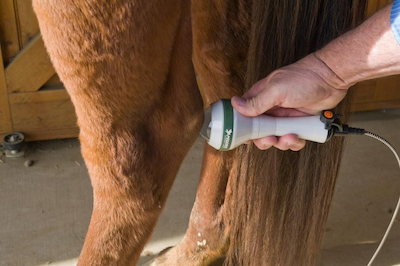
Low-level laser therapy is well-suited to cats — it is painless, non-invasive, and requires no restraint or sedation. It is used for arthritis pain, wound healing, dental inflammation, and post-surgical recovery. Many cats that resist handling become calm and cooperative during laser therapy sessions.
Homeopathy
Veterinary homeopathy uses highly diluted natural substances to stimulate the body's own healing response. Some holistic veterinarians find homeopathy particularly useful for cats because of their sensitivity — the gentle nature of homeopathic remedies aligns well with feline physiology.
Finding a Holistic Veterinarian for Your Cat
Not all holistic veterinarians have equal experience with cats. When searching for a feline holistic vet, look for:
- Specific experience treating cats, not just dogs
- Training in feline nutrition
- Certification through IVAS (acupuncture), CIVT (herbal medicine), or AHVMA membership
- Familiarity with feline-specific contraindications for herbs and supplements
The Holistic Vet Directory lists integrative veterinarians across the United States. Many practitioners specialize in or have extensive experience with cats — use the directory to find a holistic vet in your area who is the right fit for your feline companion.
A Note on Stress-Free Vet Visits for Cats
One often-overlooked aspect of holistic feline care is the visit itself. Many cats find veterinary visits deeply stressful, which can affect their health and make accurate assessment difficult. Holistic veterinarians tend to take a gentler, more patient approach — allowing cats to acclimate to the environment, minimizing restraint, and creating a calmer experience overall. Some holistic vets offer house call services, which can be transformative for stress-sensitive cats.
Join the Conversation
Have thoughts on this topic? Connect with other holistic pet parents in our community forum.
Join Holistic Pet Parents