Holistic Treatment for Fungal Infections in Dogs: What Works and Why
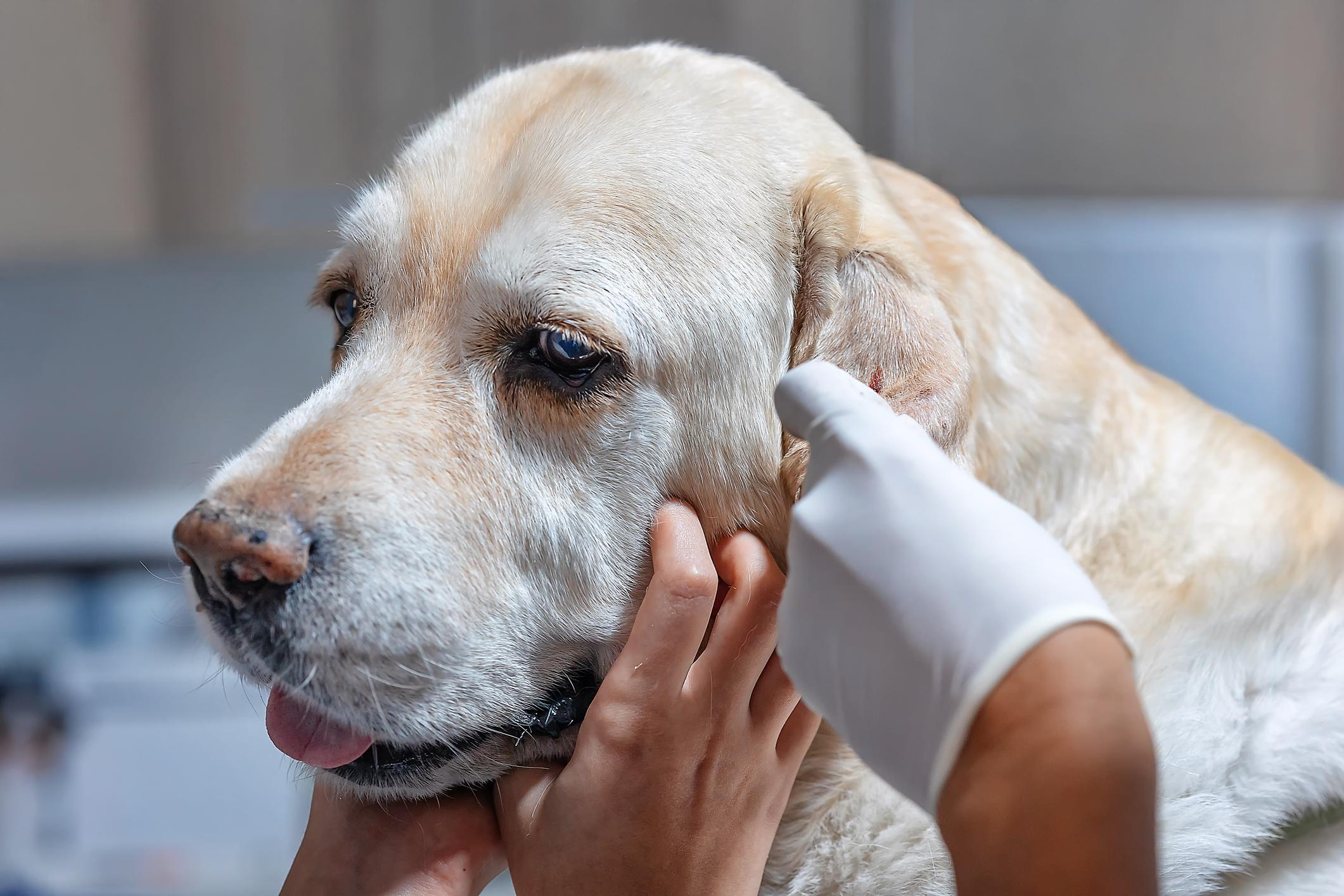
If your dog has been treated for a fungal infection — only to have it return weeks or months later — you are not alone. Recurring yeast infections, chronic ear problems, itchy paws, and skin rashes are among the most common complaints that bring pet owners to holistic veterinarians. And the reason these issues keep coming back is almost always the same: the symptom was treated, but the underlying imbalance was not.
Holistic veterinary medicine approaches fungal infections differently. Rather than asking only "what antifungal will clear this up," a holistic vet asks "why is my patient's body allowing this overgrowth in the first place?" The answers — and the treatments — go much deeper than a prescription shampoo or a course of antifungal medication.
Understanding Fungal Infections in Dogs
Before exploring holistic treatment, it helps to understand what you are actually dealing with. Fungal infections in dogs fall into two broad categories.
Surface and Skin Fungal Infections
These are the most common and include:
-
Yeast dermatitis (Malassezia pachydermatis) — The most frequently seen fungal condition in dogs. Malassezia is a naturally occurring yeast that lives on healthy dog skin, but when the immune system or skin barrier is compromised, it overgrows. Signs include itchy, greasy, or flaky skin, a distinctive musty or corn-chip odor, darkened or thickened skin, and chronic ear infections. Breeds like Cocker Spaniels, Basset Hounds, West Highland White Terriers, and Bulldogs are particularly prone.
-
Ringworm (Dermatophytosis) — Despite the name, ringworm is not a worm but a fungal infection caused by dermatophytes. It produces circular, scaly, hairless patches on the skin and is contagious to other pets and to people.
-
Candida overgrowth — Less commonly discussed in veterinary medicine but increasingly recognized by holistic practitioners, Candida is a yeast that can overgrow in the gut and contribute to chronic skin, ear, and digestive symptoms.
Systemic Fungal Infections
These are less common but significantly more serious:
- Blastomycosis — A fungal infection caused by inhaling spores from soil, particularly in the Mississippi and Ohio River valleys and the Great Lakes region. Can affect the lungs, eyes, skin, and bones.
- Aspergillosis — Usually affects the nasal passages but can become systemic in immunocompromised dogs.
- Cryptococcosis — Typically affects the nervous system and respiratory tract.
Systemic fungal infections require aggressive conventional treatment and specialist care. Holistic support can play a complementary role, but these are not conditions to approach with home remedies alone.
Why Fungal Infections Keep Coming Back
The most important insight holistic veterinarians bring to fungal infections is this: a healthy immune system and a balanced microbiome keep fungal organisms in check naturally. When fungal overgrowth becomes chronic or recurring, it is almost always a sign that something is undermining that balance.
Common contributing factors include:
Diet. Yeast thrives on sugar and simple carbohydrates. A diet high in processed grains, starches, and low-quality ingredients creates an internal environment that actively feeds fungal overgrowth. Many dogs on conventional kibble are essentially eating a yeast-friendly diet every day.
Antibiotic use. Antibiotics eliminate bacteria indiscriminately, including the beneficial bacteria that compete with yeast and keep it in check. Dogs who have had multiple rounds of antibiotics are significantly more prone to secondary yeast overgrowth.
Steroid use. Corticosteroids, while effective at suppressing inflammation and itch, also suppress immune function. Long-term or repeated steroid use is one of the most common precursors to chronic fungal infections.
Allergies. Environmental and food allergies compromise the skin barrier and create an inflamed, moisture-rich environment where yeast flourishes. The itch-scratch-yeast cycle is extremely common in allergic dogs.
Underlying immune imbalance. A chronically stressed immune system — whether from poor nutrition, environmental toxins, or other health conditions — loses its ability to regulate microbial populations on the skin and in the gut.
Treating the infection without addressing these root causes is why so many dogs end up in a revolving door of antifungal treatments that work temporarily, then fail.
The TCVM Perspective: Understanding Damp Heat
Traditional Chinese Veterinary Medicine offers a fascinating framework for understanding why some dogs are chronically prone to fungal and yeast issues. In TCVM, the body's health depends on the balance of fundamental energetic qualities, including warmth and coolness, dryness and moisture.
Chronic yeast overgrowth is typically understood in TCVM as a pattern of Damp Heat — an accumulation of pathological moisture (Damp) combined with inflammation (Heat) in the body. Signs of a Damp Heat pattern include:
- Greasy, smelly skin
- Chronic ear discharge
- Itchy paws (particularly between the toes)
- Loose or inconsistent stools
- A tendency to seek cool surfaces
- Lethargy or heaviness
A TCVM-trained veterinarian will assess your dog's constitution using pulse diagnosis, tongue examination, and physical observation to determine whether a Damp Heat pattern is present and what internal imbalances are driving it. Treatment addresses the pattern systemically — not just the surface symptoms — using acupuncture, Chinese herbal formulas, and food therapy tailored to drain Damp and clear Heat from the body.
This approach explains why two dogs with identical-looking yeast infections may need completely different treatment plans. In TCVM, the underlying pattern matters as much as the presenting symptom.
Holistic Treatments That Complement Conventional Care
The following approaches are used by holistic and integrative veterinarians to support recovery from fungal infections and reduce the likelihood of recurrence. These work best alongside — not instead of — conventional diagnosis and treatment.
| Approach | How It Helps | Best Used For |
|---|---|---|
| Dietary change | Eliminates yeast-feeding sugars and starches; reduces systemic inflammation | All fungal/yeast conditions; foundational step |
| Probiotics | Restores beneficial gut bacteria that compete with yeast and support immune function | Post-antibiotic recovery; chronic yeast; Candida overgrowth |
| Herbal antifungals | Oregano oil, pau d'arco, and thyme have demonstrated antifungal properties; used topically or internally under vet guidance | Mild to moderate surface yeast; maintenance support |
| Acupuncture | Supports immune regulation, reduces systemic inflammation, and addresses TCVM patterns underlying chronic infection | Chronic or recurring fungal infections; immune support |
| Chinese herbal formulas | Prescribed by TCVM vets to drain Damp, clear Heat, and restore systemic balance | Damp Heat patterns; chronic yeast with digestive involvement |
| Omega-3 fatty acids | Reduces skin inflammation, supports the skin barrier, and helps restore coat and skin health after infection | All skin-related fungal conditions; ongoing maintenance |
| Topical rinses | Diluted apple cider vinegar or coconut oil applied topically can help alter skin pH and provide mild antifungal support between baths | Surface yeast on paws and skin folds; adjunct to medicated shampoos |
A word of caution on herbal treatments: Natural does not automatically mean safe. Some herbal antifungals — including oregano oil — can be toxic to dogs at incorrect doses or formulations. Never administer herbal treatments without guidance from a veterinarian trained in botanical medicine. This is particularly important for small dogs, puppies, pregnant females, and dogs on other medications.
Dietary Changes That Starve the Yeast
Diet is the single most powerful tool in managing chronic yeast overgrowth, and it is often the first thing a holistic vet will address. The core principle is straightforward: yeast feeds on sugar. Remove the sugar and you remove the fuel.
In practical terms this means:
- Eliminating high-starch kibble. Most dry dog food contains 30 to 60 percent carbohydrates, which convert to sugar during digestion. Switching to a low-carbohydrate, high-protein diet is foundational to yeast management.
- Choosing novel or limited proteins. Dogs with yeast overgrowth often have co-existing food sensitivities. A limited-ingredient diet with a single novel protein reduces the immune burden on the gut.
- Avoiding sweet vegetables and fruits during active infection. Carrots, peas, sweet potatoes, and fruits are wholesome foods, but their natural sugars can feed yeast during an active outbreak. Holistic vets often recommend temporarily removing these during the initial treatment phase.
- Adding fermented foods. Small amounts of plain fermented vegetables or kefir (if dairy is tolerated) introduce beneficial bacteria that compete with yeast in the gut.
- Supporting the liver. Antifungal treatments — both conventional and herbal — can place a burden on the liver as yeast organisms die off and release toxins. Milk thistle is commonly recommended by holistic vets to support liver function during treatment.
What Type of Holistic Vet to Look For
Not every holistic veterinarian has the same training or focus. For dogs with fungal or yeast issues, certain specialties are particularly relevant.
Veterinarians trained in Traditional Chinese Veterinary Medicine (TCVM) are often the most comprehensive choice for chronic yeast cases. Their training in pattern diagnosis allows them to identify and treat the systemic imbalances driving the overgrowth — not just the surface presentation. They can prescribe customized herbal formulas and use acupuncture to support the immune system and internal organ function.
Holistic vets specializing in herbal medicine can provide botanical antifungal protocols that work systemically and are formulated specifically for dogs. This is particularly valuable when conventional antifungals have failed or when the owner wants to minimize pharmaceutical exposure.
Integrative veterinarians — those who blend conventional and holistic medicine — are ideal when the infection is significant enough to warrant conventional diagnostics (skin scraping, fungal culture, blood work) alongside a natural treatment approach. An integrative vet can confirm the diagnosis, rule out systemic infection, and then build a holistic support plan alongside any necessary conventional treatment.
Veterinarians with training in nutritional therapy are essential if diet is a suspected driver of the problem — which it frequently is. They can design an anti-yeast diet tailored to your dog's individual needs, sensitivities, and health history.
You can search our directory for holistic vets who specialize in herbal medicine, acupuncture, Traditional Chinese Veterinary Medicine, and nutritional therapy near you.
Working Alongside Your Conventional Vet
It is worth emphasizing that holistic and conventional veterinary care are not opposites — the best outcomes for dogs with chronic fungal infections almost always involve both. Conventional medicine provides essential diagnostic tools and fast-acting treatments for acute infections. Holistic medicine provides the deeper, systemic work that prevents those infections from returning.
If your dog's regular vet has prescribed antifungal medication, continue that treatment as directed. A holistic vet can work in parallel to address the root causes while the conventional treatment manages the acute symptoms. Many integrative veterinarians are experienced at coordinating care with primary care vets and can communicate directly with your dog's regular doctor if needed.
The goal is not to choose between conventional and holistic — it is to use the best of both to give your dog lasting relief.
Join the Conversation
Have thoughts on this topic? Connect with other holistic pet parents in our community forum.
Join Holistic Pet Parents