Holistic Approaches to Pet Anxiety: Calming Your Dog or Cat Naturally
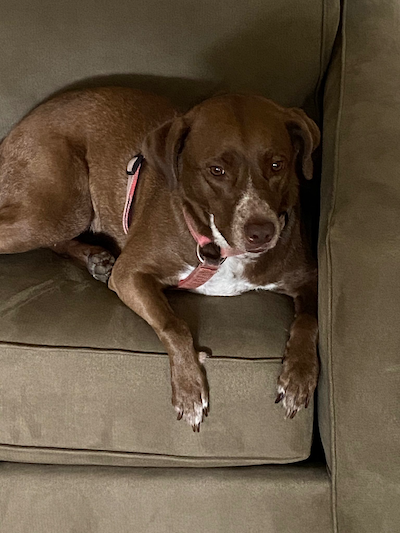
Your dog paces and pants when you pick up your keys. Your cat hides under the bed every time a visitor arrives. Thunderstorms turn your otherwise calm pet into a trembling, destructive mess. Or maybe there is no obvious trigger at all — your pet just seems chronically uneasy, hypervigilant, or unable to settle.
Anxiety in pets is more common than most owners realize. Studies suggest that over 70% of dogs display some form of anxiety-related behavior, and cats — whose anxiety often manifests as withdrawal, inappropriate elimination, or over-grooming rather than the obvious distress signals dogs show — are likely just as affected.
Conventional treatment typically involves pharmaceuticals: fluoxetine (Prozac), trazodone, gabapentin, or situational medications like sileo for noise phobia. These medications can be genuinely helpful, and some pets truly need them. But many pet owners are looking for approaches that address the underlying causes of anxiety rather than managing it pharmaceutically — or that work alongside medication to reduce the dose needed.
Holistic veterinary medicine offers several evidence-based options that do exactly that.
Understanding Pet Anxiety
Anxiety is not a behavior problem — it is an emotional and physiological state. An anxious animal is experiencing a real stress response: elevated cortisol, increased heart rate, heightened nervous system activation, and changes in neurotransmitter balance. Understanding this is important because it means anxiety cannot be trained away through discipline, and it should not be dismissed as the pet being "dramatic" or "badly behaved."
Types of Anxiety in Dogs
Separation anxiety. The most commonly diagnosed anxiety disorder in dogs. Symptoms include destructive behavior, vocalization, house soiling, pacing, and escape attempts when the owner is absent or preparing to leave. Some dogs begin showing distress as soon as they recognize departure cues — keys, shoes, coat.
Noise phobia. Intense fear responses to specific sounds — thunderstorms, fireworks, gunshots, construction noise, smoke alarms. Some noise-phobic dogs become so distressed that they injure themselves trying to escape or hide.
Generalized anxiety. Chronic, pervasive unease without a specific trigger. These dogs are always on alert, startle easily, have difficulty relaxing, and may develop compulsive behaviors like excessive licking, tail chasing, or pacing.
Social anxiety. Fear or distress around unfamiliar people, dogs, or in new environments. This can manifest as aggression (fear-based), hiding, trembling, or attempts to flee.
Age-related anxiety. Cognitive decline in senior dogs can produce anxiety as the dog becomes confused, disoriented, or unable to process familiar environments and routines.
Types of Anxiety in Cats
Environmental anxiety. Cats are territorial and highly sensitive to changes in their environment. New furniture, a new pet, a new baby, construction, or even a change in the owner's schedule can trigger anxiety.
Social anxiety. Multi-cat household stress is one of the most common and underrecognized sources of feline anxiety. Even cats that appear to coexist peacefully may be experiencing chronic low-level stress from resource competition and social tension.
Separation-related distress. Contrary to the stereotype of the independent cat, many cats develop anxiety when their primary person is absent. Signs include excessive vocalization, inappropriate elimination, over-grooming, and appetite changes.
Noise sensitivity. Less dramatic than in dogs but still significant. Cats may hide for hours or days after a startling noise event.
Redirected anxiety. A cat that sees an outdoor cat through the window but cannot reach it may redirect that arousal into aggression toward a housemate or owner, or into destructive behavior.
Why Holistic Approaches Work for Anxiety
Holistic medicine is particularly well suited to anxiety for several reasons:
It treats the whole patient. Anxiety is rarely just a brain chemistry problem. It involves the gut (where most serotonin is produced), the adrenal system (cortisol regulation), the musculoskeletal system (chronic tension), and the overall constitutional makeup of the animal. Holistic medicine addresses all of these systems.
It considers individual patterns. Two anxious dogs may need completely different treatments. One is anxious because of a constitutional sensitivity. Another developed anxiety after a traumatic experience. A third has anxiety driven by chronic pain. Holistic modalities — particularly homeopathy and TCVM — are designed for this level of individualization.
It has fewer side effects. Behavioral medications are not without consequences — sedation, appetite changes, GI upset, and in some cases paradoxical increases in anxiety. Holistic approaches generally carry minimal side effects, making them particularly attractive for long-term management.
It supports the nervous system rather than overriding it. Rather than altering neurotransmitter levels pharmacologically, holistic approaches help the nervous system learn to regulate itself more effectively.
Holistic Treatment Options
Acupuncture
Acupuncture is one of the most effective holistic treatments for anxiety in both dogs and cats. Its mechanisms are well documented:
Nervous system regulation. Acupuncture activates the parasympathetic nervous system — the "rest and digest" branch that counterbalances the "fight or flight" stress response. This shift is measurable through changes in heart rate variability, cortisol levels, and behavioral markers.
Endorphin release. Needling specific points triggers the release of endorphins and other calming neurochemicals, producing a natural sense of well-being.
Specific calming points. Several acupuncture points are specifically indicated for anxiety, including GV-20 (at the top of the head, one of the most calming points in veterinary acupuncture), HT-7 (a heart meridian point for anxiety and restlessness), and Yin Tang (between the eyes, used for calming the mind).
What to expect. Most anxious pets actually relax during acupuncture — often dramatically. Dogs commonly fall asleep during sessions. Cats may purr. The calming effect often outlasts the session by several days. Treatment typically begins weekly and extends to every 2 to 4 weeks as the patient stabilizes.
Learn more about pet acupuncture →
Traditional Chinese Veterinary Medicine (TCVM)
TCVM offers a comprehensive framework for understanding and treating anxiety through pattern diagnosis:
Liver Qi Stagnation. The most common TCVM pattern behind anxiety. The Liver system in Chinese medicine governs the smooth flow of energy through the body. When Liver Qi stagnates, the result is irritability, frustration, restlessness, and anxiety. This pattern is often seen in dogs that are frustrated, reactive, or have anxiety that worsens with confinement.
Heart Qi or Blood Deficiency. The Heart system houses the Shen (spirit/mind). When Heart Qi or Blood is deficient, the Shen becomes unsettled — manifesting as fearfulness, easy startle, restlessness, and difficulty sleeping. This pattern is common in timid, fearful animals.
Kidney Qi Deficiency. The Kidney system governs courage and will in TCVM. Kidney deficiency can produce deep-seated fearfulness, especially in senior animals or those with constitutional weakness.
Treatment combines acupuncture points specific to the pattern, Chinese herbal formulas, and food therapy. A dog with Liver Qi Stagnation might receive acupuncture at LIV-3 and GB-34, an herbal formula like Xiao Yao San (Free and Easy Wanderer), and a diet emphasizing cooling, liver-supporting foods. A dog with Heart Blood Deficiency would receive entirely different points, herbs, and dietary guidance.
This individualization is why TCVM often succeeds where generic calming products fail — the treatment matches the patient's specific pattern of imbalance.
Herbal Medicine
Several herbs have documented anxiolytic (anxiety-reducing) properties:
Valerian root (Valeriana officinalis). One of the most studied calming herbs, valerian affects GABA receptors — the same system targeted by anti-anxiety pharmaceuticals like diazepam. It promotes relaxation without heavy sedation and is useful for both chronic anxiety and situational stress.
Passionflower (Passiflora incarnata). Another GABA-modulating herb with clinical evidence for anxiety reduction. Passionflower is gentler than valerian and well tolerated by most animals. It is particularly useful for anxiety accompanied by restlessness.
Chamomile (Matricaria chamomilla). A mild calming herb with additional benefits for digestive upset — useful since anxiety and GI distress frequently co-occur. Appropriate for mildly anxious pets and as part of a calming blend.
Ashwagandha (Withania somnifera). An adaptogenic herb that helps the body manage stress more effectively over time. Adaptogens do not sedate — they support the adrenal system's ability to regulate cortisol and maintain balance under stress. Ashwagandha is particularly useful for chronically anxious animals.
L-theanine. An amino acid found naturally in green tea that promotes relaxation without drowsiness. It increases alpha brain wave activity — the pattern associated with calm alertness. Available as a supplement and included in several veterinary calming products.
CBD (cannabidiol). Emerging research supports anxiolytic effects through interaction with the endocannabinoid system. Clinical studies in dogs have shown reductions in stress-related behaviors. Product quality varies widely — use veterinary-specific products with third-party testing and clear dosing guidelines.
Important safety note. Herbal remedies can interact with medications, and some herbs that are safe for dogs are toxic to cats (and vice versa). Always work with a veterinarian trained in herbal medicine rather than self-prescribing.
Learn more about veterinary herbal medicine →
Homeopathy
Homeopathy's extreme individualization makes it well suited to anxiety, where each patient's experience is unique:
Aconitum napellus. For acute, sudden-onset fear — the classic remedy for panic after a frightening event. The animal is visibly terrified, restless, and may tremble.
Argentum nitricum. For anticipatory anxiety — the animal that becomes anxious before an event occurs (before car rides, before the owner leaves, before storms that they can sense approaching).
Phosphorus. For sensitive, sociable animals that are deeply affected by their environment — startled by thunder, distressed by changes in routine, anxious when alone despite being outgoing and friendly in company.
Gelsemium. For anxiety that produces paralysis-like behavior — the animal freezes, trembles, and may lose control of bladder or bowels. Common in performance anxiety and extreme noise phobia.
Ignatia. For grief and loss — anxiety following the death of a companion animal, the departure of a family member, or a major life change.
The homeopathic approach prescribes based on the complete picture of the patient, not just the diagnosis of "anxiety." Two anxious dogs will receive different remedies if their anxiety manifests differently, has different triggers, and accompanies different physical symptoms.
Learn more about veterinary homeopathy →
Massage Therapy
Therapeutic massage directly addresses the physical manifestation of anxiety — chronic muscle tension:
Where anxiety lives in the body. Anxious animals carry tension in predictable patterns. Dogs commonly hold tension in the neck, shoulders, and along the spine. Cats tense through the entire back and often the jaw. This chronic tension contributes to discomfort, restricted movement, and a feedback loop where physical tension reinforces the emotional state.
Parasympathetic activation. Sustained, rhythmic touch activates the parasympathetic nervous system, lowering heart rate, reducing cortisol, and shifting the body from a stress state to a relaxation state. This is not just calming in the moment — regular massage helps the nervous system learn to access the relaxed state more easily.
Owner-applied techniques. Many massage therapists teach owners simple calming massage techniques to use at home. Tellington TTouch — a specific method of circular touches developed for animals — is one of the most accessible owner-applied approaches for anxiety reduction.
Best for. Animals with anxiety that includes significant physical tension, animals that respond well to touch, and as a complement to other modalities.
Learn more about veterinary massage therapy →
Nutritional Therapy
The connection between diet and anxiety is increasingly well documented:
The gut-brain axis. The gut produces approximately 90% of the body's serotonin — a neurotransmitter directly involved in mood regulation. An unhealthy gut microbiome can impair serotonin production and contribute to anxiety. Dietary changes that support gut health often produce noticeable improvements in behavior.
Probiotic supplementation. Specific probiotic strains have been shown to reduce anxiety-related behaviors in dogs. The mechanism appears to involve direct communication between gut bacteria and the brain via the vagus nerve.
Amino acid support. Tryptophan (a precursor to serotonin) and L-theanine can be supplemented through diet or as individual supplements to support calming neurotransmitter production.
Blood sugar stability. Diets high in simple carbohydrates can cause blood sugar fluctuations that mimic or exacerbate anxiety symptoms. Switching to a higher-protein, lower-glycemic diet often helps stabilize mood and energy.
Anti-inflammatory nutrition. Chronic inflammation affects brain function and can contribute to anxiety. Omega-3 fatty acids, antioxidant-rich foods, and the elimination of inflammatory dietary components support neurological health.
Learn more about veterinary nutritional therapy →
Environmental and Behavioral Support
Holistic anxiety management extends beyond the clinic:
Environmental enrichment. Boredom and understimulation contribute to anxiety in both dogs and cats. Puzzle feeders, rotating toys, scent games, and species-appropriate play provide mental stimulation that channels nervous energy productively.
Safe spaces. Every anxious pet needs a place where they feel secure. For dogs, this might be a covered crate with a familiar blanket. For cats, elevated perches, enclosed hiding spots, and access to quiet rooms away from household traffic.
Predictable routines. Anxious animals thrive on predictability. Consistent feeding times, walk schedules, and daily routines reduce uncertainty — one of the primary drivers of anxiety.
Pheromone therapy. Adaptil (for dogs) and Feliway (for cats) are synthetic pheromone products that mimic the calming pheromones produced by nursing mothers. While not a standalone treatment, they can reduce baseline anxiety when used consistently in the home environment.
Appropriate exercise. Regular physical activity is one of the most effective anxiety reducers available. It metabolizes stress hormones, produces endorphins, and provides sensory stimulation. For anxious dogs, structured walks with opportunities to sniff are particularly beneficial — scent processing is inherently calming for dogs.
Music and sound. Specific music compositions designed for dogs (such as "Through a Dog's Ear") have been shown to reduce anxiety-related behaviors. White noise machines can mask triggering sounds for noise-phobic animals.
Building an Integrative Anxiety Plan
The most effective approach typically combines multiple interventions:
Foundation: Dietary optimization + gut health support + environmental management Active treatment: Acupuncture (weekly, then tapering) + herbal formula or homeopathic remedy Physical support: Regular massage + appropriate exercise Situational support: Additional herbal or homeopathic remedies for known trigger events Conventional support if needed: Medication at the lowest effective dose, with the goal of tapering as holistic therapies take effect
Many pet owners find that holistic therapies allow them to reduce or eventually discontinue anti-anxiety medication — but this should always be done gradually and under veterinary supervision. Abrupt discontinuation of behavioral medications can cause withdrawal effects and rebound anxiety.
How Long Does Treatment Take?
- Acupuncture: Many pets show improvement within the first 2 to 3 sessions. Maintenance every 2 to 4 weeks.
- Herbal medicine: 2 to 4 weeks for initial effects. Ongoing for maintenance.
- Homeopathy: Variable — some patients respond dramatically to the first remedy, others require several prescriptions to find the best match.
- Dietary changes: 4 to 8 weeks for gut-brain axis effects to manifest.
- Overall improvement: Most owners see meaningful progress within 1 to 3 months, with continued improvement over 6 to 12 months.
Anxiety that has been present for years will not resolve in days. But the trajectory of improvement is usually steady once the right combination of therapies is in place.
Finding a Holistic Vet for Anxiety
Anxiety is one of the conditions where the integrative approach — combining multiple modalities tailored to the individual patient — produces the best outcomes. Look for practitioners who offer acupuncture, herbal medicine, or TCVM and who take time to understand your pet's specific anxiety pattern rather than reaching for a generic calming supplement.
Our directory of holistic veterinarians lets you search for practitioners by modality and location.
Find a holistic vet near you →
The Bottom Line
Your anxious pet is not being difficult, dramatic, or disobedient. They are experiencing genuine distress driven by neurological, physiological, and emotional factors that they cannot control. They deserve treatment that addresses the full scope of that distress — not just the most visible symptoms.
Holistic medicine offers exactly that. By treating the whole animal — gut health, nervous system regulation, physical tension, emotional patterns, and environmental stressors — integrative care helps anxious pets develop a genuine capacity for calm, rather than simply suppressing the signs of a distress that continues underneath.
That is a meaningful difference, and it is why so many pet owners say that holistic care changed their anxious pet's life.
Join the Conversation
Have thoughts on this topic? Connect with other holistic pet parents in our community forum.
Join Holistic Pet Parents