Holistic Approaches to Dog Allergies: A Complete Guide
Holistic Approaches to Dog Allergies: A Complete Guide
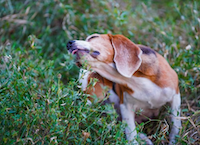
Dog allergies are one of the most common — and most frustrating — conditions that bring pet owners to the veterinarian. The itching, the paw chewing, the recurring ear infections, the inflamed skin that never quite heals. For many dogs, these symptoms become a cycle: a steroid shot provides relief, the symptoms return, another shot is given, and gradually the treatments stop working as well as they once did.
Holistic and integrative veterinarians approach dog allergies from a fundamentally different starting point. Rather than asking only "how do we stop the itch," they ask "why is this dog's immune system responding this way, and what can we do to change that?" The answers lead to treatments that go far deeper than symptom suppression — and for many dogs, they lead to lasting improvement that conventional medicine alone rarely achieves.
Understanding Dog Allergies: What Is Actually Happening
An allergy is an overreaction of the immune system to a substance that is not inherently harmful. In a dog without allergies, pollen, dust mites, chicken protein, or grass cause no immune response. In an allergic dog, the immune system identifies these substances as threats and launches an inflammatory response — producing the itching, redness, swelling, and discomfort that owners find so distressing.
What makes dog allergies particularly complex is that they are rarely caused by a single trigger. Most allergic dogs have a combination of sensitivities that compound each other. A dog who is mildly reactive to dust mites and mildly reactive to chicken may show no symptoms when exposed to either one alone — but when both are present simultaneously, the combined immune burden crosses a threshold and symptoms appear. Holistic veterinarians call this the "bucket" model of allergies: each trigger adds to the bucket, and symptoms only appear when the bucket overflows.
This model explains why simply eliminating one allergen often provides incomplete relief, and why treating the immune system's overall reactivity — rather than hunting for a single culprit — is frequently more effective.
Types of Dog Allergies
Food Allergies and Food Sensitivities
True food allergies involve an immune response to a specific protein. The most common culprits in dogs are:
- Beef
- Chicken
- Dairy
- Wheat and gluten
- Eggs
- Soy
- Lamb (increasingly common as it has become a widespread "novel" protein)
Food sensitivities — which are distinct from true allergies — involve digestive reactions that do not trigger the same immune cascade but still cause significant discomfort, including loose stools, gas, bloating, and skin symptoms.
Signs that food may be driving your dog's allergies include year-round symptoms (rather than seasonal flares), digestive involvement alongside skin issues, and symptoms that began or worsened after a diet change.
Environmental Allergies (Atopic Dermatitis)
Environmental allergies — formally called canine atopic dermatitis — are triggered by inhaled or contact allergens including:
- Pollen (trees, grasses, weeds)
- Dust mites
- Mold spores
- Fleas (flea allergy dermatitis is one of the most common allergic conditions in dogs)
- Cleaning products and household chemicals
- Synthetic fabrics and carpeting
Environmental allergies tend to be seasonal initially and may become year-round as sensitivity increases over time. Classic signs include itching concentrated on the paws, face, ears, armpits, and groin — areas where the skin is thinner and more exposed.
Contact Allergies
Less common, contact allergies develop when skin comes into direct contact with an allergen — certain grasses, fertilizers, rubber, or plastics. Signs are typically localized to the area of contact.
Why Conventional Treatment Often Falls Short
Conventional allergy management typically involves antihistamines, corticosteroids, or newer pharmaceutical options like Apoquel and Cytopoint. These medications are effective at controlling symptoms and have an important role in managing acute flares and severe cases. But they share a fundamental limitation: they suppress the immune response without addressing why that response is overactive in the first place.
The result for many dogs is a lifetime of medication management with gradually increasing doses, periodic flares, and the cumulative side effects of long-term immune suppression — including increased susceptibility to infections, weight gain, and for steroids in particular, effects on liver and adrenal function.
Holistic veterinarians do not reject these medications. Many integrative practitioners use them when needed, particularly to provide relief during an acute flare while deeper work begins. But the goal is to reduce dependence on symptom-suppressing drugs by addressing root causes — and for a significant number of dogs, that goal is achievable.
The Holistic Veterinary Approach to Dog Allergies
Step 1: Comprehensive Assessment
A holistic vet will typically spend considerably more time on the initial consultation than a conventional appointment allows. The assessment covers:
- Full diet history (every food, treat, and supplement your dog has received)
- Vaccination history and medication history
- Environmental exposures at home and outside
- Symptom timeline and pattern (seasonal, year-round, after specific exposures)
- Digestive health (stool quality, frequency, any vomiting or gas)
- Family history if known
- Overall energy, sleep, and behavior
This comprehensive picture often reveals patterns and connections that a shorter appointment would miss — including correlations between diet changes and symptom flares, or between antibiotic courses and the onset of chronic skin issues.
Step 2: Identifying and Reducing the Allergen Burden
Rather than testing for and eliminating a single allergen, holistic vets work to reduce the overall burden across multiple categories simultaneously.
Dietary elimination trials are the gold standard for identifying food triggers. A strict elimination diet using a novel protein (one the dog has never eaten before, such as venison, rabbit, or kangaroo) and a novel carbohydrate is maintained for 8–12 weeks. During this period, no treats, flavored medications, or supplements other than those approved by the vet are given. If symptoms improve significantly, foods are reintroduced one at a time to identify triggers.
Environmental modifications may include more frequent washing of bedding, HEPA air filtration, avoiding synthetic lawn chemicals, and regular paw wiping after outdoor time to reduce allergen tracking into the home.
Flea prevention is addressed rigorously, as a single flea bite can trigger a significant reaction in a flea-allergic dog.
Step 3: Supporting the Immune System and Gut
One of the most important insights in holistic veterinary medicine — increasingly supported by conventional research — is the connection between gut health and immune function. Approximately 70 percent of the immune system is housed in and around the gastrointestinal tract. A dog with a compromised gut microbiome is a dog with a compromised immune response.
Probiotics and prebiotics are commonly recommended to restore and maintain a healthy microbial population in the gut. Species-appropriate strains matter — a holistic vet can recommend formulations that are specifically validated for dogs.
Digestive enzyme support helps ensure that proteins are fully broken down before absorption, reducing the likelihood that incompletely digested protein fragments trigger an immune response.
Omega-3 fatty acids (from fish oil or algae-based sources) reduce systemic inflammation, support the skin barrier, and help modulate the overactive immune response that drives allergic reactions. Research consistently supports their use in canine atopic dermatitis.
Step 4: Skin Barrier Support
Allergic dogs often have a compromised skin barrier — the outer layer of skin that normally prevents allergens from penetrating. When this barrier is damaged, allergens that would otherwise cause no reaction gain access to the immune cells beneath the skin, triggering inflammation. Repairing and maintaining the skin barrier is a key component of holistic allergy management.
Approaches include: - Essential fatty acid supplementation - Therapeutic bathing with species-appropriate shampoos that cleanse allergens without stripping natural oils - Topical barrier support products recommended by a veterinary dermatologist or holistic vet
Holistic Treatments for Dog Allergies
| Treatment | How It Helps With Allergies | Best For |
|---|---|---|
| Dietary change | Removes food triggers; reduces systemic inflammation; supports gut microbiome | All allergic dogs; foundational step |
| Omega-3 fatty acids | Reduces inflammatory response; supports skin barrier; well-supported by research | Atopic dermatitis; skin and coat issues |
| Probiotics | Restores gut microbiome; supports immune regulation; reduces gut-driven inflammation | All allergic dogs; especially post-antibiotic |
| Acupuncture | Modulates immune response; reduces systemic inflammation; addresses TCVM patterns | Chronic or severe atopic dermatitis |
| Chinese herbal medicine | Addresses underlying constitutional patterns; supports skin, liver, and immune function | Chronic allergies with digestive or systemic involvement |
| Herbal anti-inflammatories | Quercetin, turmeric, and spirulina have demonstrated anti-inflammatory and antihistamine properties | Mild to moderate seasonal allergies; maintenance support |
| Hydrotherapy and bathing protocols | Removes surface allergens; supports skin barrier; reduces microbial overgrowth | Environmental allergies; dogs with secondary skin infections |
Important: Herbal supplements including quercetin and turmeric can interact with medications and are not appropriate for all dogs. Always consult a veterinarian trained in botanical medicine before adding any supplement to your dog's regimen.
The TCVM Perspective on Dog Allergies
Traditional Chinese Veterinary Medicine offers a framework for understanding allergic dogs that complements Western diagnostics. Rather than categorizing by allergen type, TCVM classifies patients by constitutional pattern — the underlying imbalance that makes the immune system overreactive in the first place.
Common TCVM patterns in allergic dogs include:
Wind Heat — acute allergic reactions with intense itching, redness, and skin that is hot to the touch. The dog may seek cool surfaces and be restless. This pattern often corresponds to seasonal environmental allergies.
Damp Heat — chronic skin inflammation with greasy, smelly skin, secondary yeast or bacterial infections, and digestive involvement. This pattern is common in dogs with a combination of food sensitivities and environmental allergies.
Blood Deficiency — dry, flaky skin with chronic low-level itching, often in older dogs. The skin may appear dull and the coat thin. This pattern is associated with chronic immune exhaustion.
A TCVM-trained veterinarian will assess your dog's pattern through pulse diagnosis, tongue examination, and clinical observation, then build a treatment plan using acupuncture, Chinese herbal formulas, and food therapy tailored to that specific pattern. This explains why two dogs with identical-looking allergy symptoms may need completely different treatments — and why the same herbal formula that helps one dog may not help another.
What Type of Holistic Vet to Look For
Different specialties are particularly relevant for allergic dogs:
Integrative veterinarians are ideal for dogs with moderate to severe allergies that have not responded adequately to conventional treatment. They can coordinate conventional diagnostics (allergy testing, skin cytology, bloodwork) with holistic treatment approaches, and manage pharmaceutical support alongside natural therapies.
Veterinarians specializing in nutritional therapy are essential if diet is suspected as a driver — which it frequently is. They can design and supervise an elimination trial, interpret the results, and build a long-term diet protocol tailored to your dog's sensitivities and health history.
Veterinarians trained in Traditional Chinese Veterinary Medicine bring a systemic, constitutional approach that is particularly valuable for dogs with chronic or complex allergies that don't fit a simple pattern.
Holistic vets specializing in herbal medicine can provide botanical support for immune modulation, inflammation, and skin healing — especially valuable for owners who want to minimize pharmaceutical exposure.
You can search our directory to find holistic vets who specialize in these areas near you.
Realistic Expectations
Holistic allergy treatment is not a quick fix. Most dogs take 2–3 months of consistent dietary and supplementation changes before meaningful improvement is visible. Dogs with long-standing allergies that have been repeatedly treated with immune-suppressing medications may take longer. This is not a sign that the approach isn't working — it reflects the time required for the immune system and gut microbiome to genuinely rebalance.
The reward for that patience is often substantial. Many dogs who have been on lifelong allergy medication achieve significant reduction in symptoms — and some achieve complete remission — through a committed holistic approach. Even dogs who continue to need some pharmaceutical support frequently need less of it, with better quality of life and fewer side effects.
Working With Your Conventional Vet
Holistic allergy treatment works best alongside conventional veterinary care, not instead of it. Proper diagnosis — including ruling out secondary infections, identifying the type of allergy, and assessing overall health — requires conventional diagnostics. A holistic vet working in parallel with your primary care vet gives your dog the benefit of both.
If your dog is currently on Apoquel, Cytopoint, or steroids, do not discontinue those medications without veterinary guidance. A holistic vet can help you build toward reduced dependence over time, but abrupt withdrawal during an active flare is not appropriate and may cause your dog significant distress.
Frequently Asked Questions
What are the most common symptoms of dog allergies? The most common signs include persistent itching, paw chewing and licking (often leaving reddish-brown staining), recurring ear infections, red or inflamed skin in the armpits, groin, and face, hair loss from repeated scratching, and skin that thickens or darkens over time. Some dogs also show digestive symptoms like loose stools or gas, particularly when food is involved.
What is the most common type of allergy in dogs? Environmental allergies — formally called canine atopic dermatitis — are the most prevalent type, affecting an estimated 10–15% of the dog population. Food allergies are also very common and often occur alongside environmental allergies, making it important to evaluate both when investigating a dog's chronic symptoms.
How do holistic vets treat dog allergies differently from conventional vets? Holistic vets focus on root causes — gut microbiome health, dietary triggers, skin barrier function, and overall immune regulation — rather than primarily suppressing symptoms with medication. They use a combination of dietary protocols, omega-3 supplementation, probiotics, acupuncture, herbal medicine, and environmental modifications, alongside conventional diagnostics and pharmaceutical support when needed.
Can dog allergies be cured? Most dog allergies cannot be completely cured, but they can be managed very effectively. With a comprehensive holistic approach, many dogs achieve significant reduction in symptoms and reduced reliance on pharmaceutical support. Dogs with primarily food-driven allergies sometimes achieve near-complete remission after an elimination diet identifies and removes their triggers.
How long does holistic allergy treatment take to show results? Most dogs show meaningful improvement after 2–3 months of consistent dietary changes, supplementation, and environmental modifications. Dogs with long-standing allergies or those previously managed with immune-suppressing medications may take longer. This timeline reflects the time needed for gut microbiome restoration and immune recalibration — not treatment failure.
Join the Conversation
Have thoughts on this topic? Connect with other holistic pet parents in our community forum.
Join Holistic Pet Parents