What to Expect at Your First Holistic Vet Visit
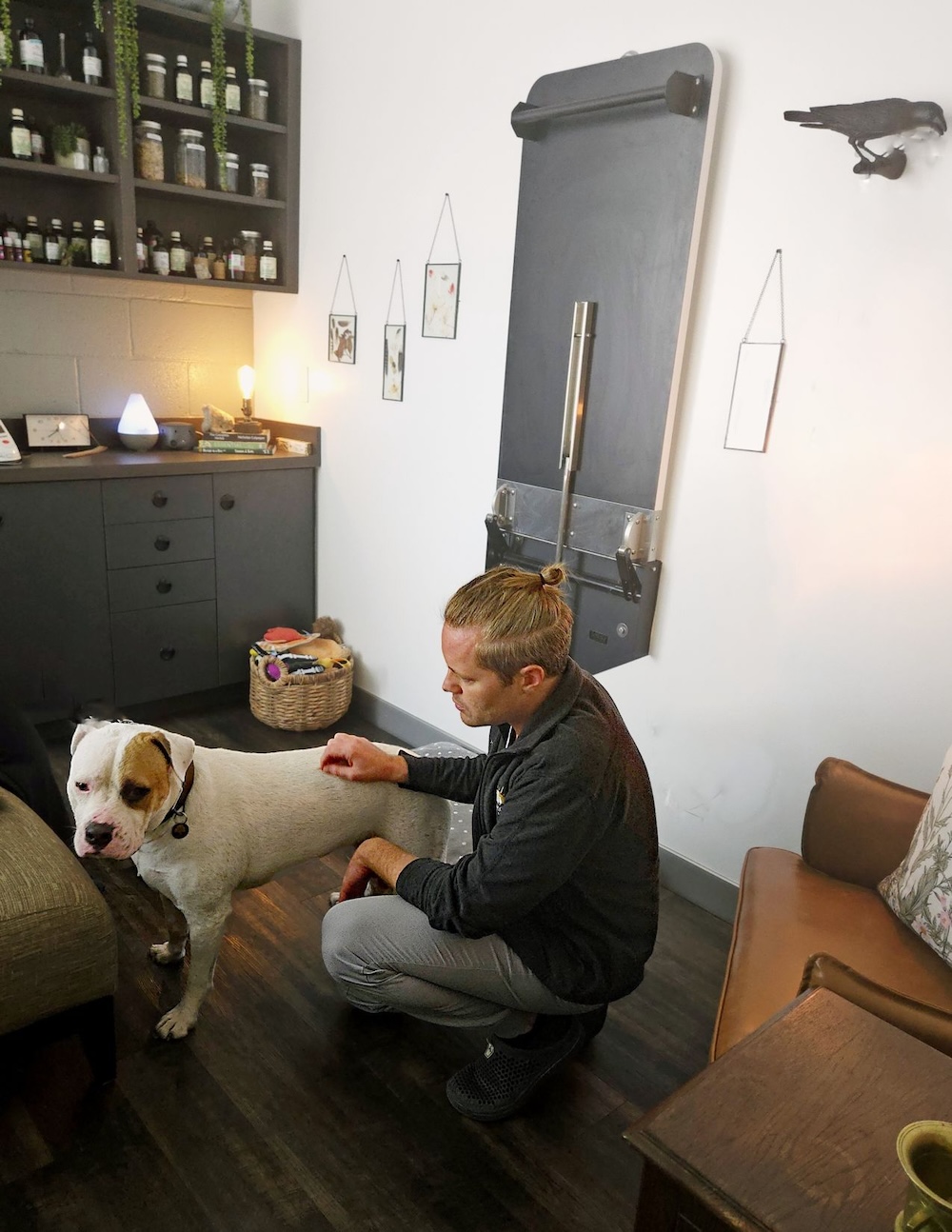
Making the decision to visit a holistic veterinarian for the first time can feel both exciting and uncertain. You may be wondering how the experience will differ from your regular vet visits, what you should bring, and how to evaluate whether the practitioner is right for your pet.
The good news is that a first visit to a holistic vet is straightforward, and knowing what to expect beforehand will help you get the most out of the experience.
Preparing for Your Visit
Preparation is key to a productive first consultation. Unlike a quick conventional vet visit, a holistic appointment requires a comprehensive understanding of your pet's health history and lifestyle. Here is what to gather before your appointment:
Medical records: Request copies of your pet's complete medical records from your current veterinarian. This should include vaccination history, lab results, imaging reports, surgical records, and notes from previous visits. Most holistic vets want to review these before or during your appointment.
Medication and supplement list: Write down everything your pet is currently taking, including prescription medications, over-the-counter products, supplements, flea and tick preventatives, and heartworm medication. Include dosages and how long your pet has been on each product.
Detailed diet information: Be prepared to describe exactly what your pet eats, including brand names, amounts, feeding schedule, treats, and any table food. Holistic vets place significant emphasis on nutrition, so the more detail you can provide, the better.
Symptom timeline: Create a timeline of your pet's health issues. When did symptoms first appear? Have they changed over time? What makes them better or worse? What treatments have been tried and what were the results?
Behavioral observations: Note any behavioral changes you have observed, including energy levels, sleep patterns, anxiety triggers, social behavior, and response to environmental factors like weather changes.
How the Consultation Differs from Conventional Visits
The first thing you will notice is that a holistic vet appointment takes significantly longer than a standard veterinary visit. While a conventional appointment might last 15 to 20 minutes, an initial holistic consultation typically runs 45 to 90 minutes. Here is why:
Comprehensive history-taking: The holistic vet will ask far more detailed questions than you may be accustomed to. Beyond the standard medical history, they will want to know about your pet's diet, daily routine, living environment, personality, preferences, fears, sleep habits, and social interactions.
Whole-animal assessment: Rather than focusing solely on the presenting complaint, the holistic vet will evaluate your pet's overall health and well-being. They are looking for patterns and connections that might explain why your pet is experiencing their current health issues.
Different examination techniques: Depending on the vet's training, you may see examination techniques that are unfamiliar. A TCVM practitioner might examine your pet's tongue color and coating, feel their pulse at specific points, and assess their body temperature patterns. A chiropractor will evaluate spinal alignment and range of motion. These techniques provide diagnostic information that complements standard physical examination.
Unhurried conversation: Holistic vets generally take time to listen. They want to understand your concerns, your goals for your pet's health, and your comfort level with different treatment approaches. This collaborative relationship is a cornerstone of holistic practice.
What the Vet Will Ask About
Be prepared for questions that may seem surprising compared to a conventional appointment:
Diet and digestion: What does your pet eat? How is their appetite? Do they have any food preferences or aversions? What is their stool quality like? Do they experience gas, bloating, or vomiting?
Water and thirst: How much water does your pet drink? Do they prefer cold or warm water? Has their thirst changed recently?
Temperature preferences: Does your pet seek out warm spots or cool surfaces? How do they respond to weather changes?
Emotional state: Is your pet anxious, fearful, or easily stressed? What triggers these reactions? How do they respond to new people, animals, or environments?
Sleep patterns: Where does your pet sleep? What position do they sleep in? Has their sleep changed recently?
Energy and activity: What is your pet's energy level throughout the day? Do they have periods of restlessness or lethargy?
These questions help the holistic vet build a complete picture of your pet's constitution and health patterns. In modalities like TCVM and homeopathy, these details are essential for selecting the most appropriate treatment.
The Examination
The physical examination at a holistic vet typically includes everything a conventional exam would cover—listening to the heart and lungs, checking eyes, ears, and mouth, palpating the abdomen, and assessing overall condition—plus additional assessments based on the vet's specialties.
TCVM examination: A vet trained in Traditional Chinese Veterinary Medicine may examine your pet's tongue (noting color, shape, and coating), take pulse readings at specific locations, and assess your pet's constitutional type.
Chiropractic assessment: A chiropractic vet will evaluate your pet's posture, gait, spinal alignment, and range of motion in all joints.
Nutritional assessment: A vet focused on nutritional therapy will evaluate your pet's body condition, coat quality, skin health, and other indicators of nutritional status.
Developing the Treatment Plan
After the examination, the holistic vet will discuss their findings and recommend a treatment plan. This is a collaborative process, and a good practitioner will:
- Explain their assessment of your pet's condition in terms you can understand
- Describe the recommended treatment approaches and why they are appropriate
- Discuss expected outcomes and realistic timelines
- Outline the costs involved for recommended treatments
- Ask about your preferences and comfort level with different approaches
- Explain how holistic treatment will complement any conventional care your pet is receiving
The treatment plan may include one or more modalities such as acupuncture, herbal medicine, nutritional changes, chiropractic adjustments, or other therapies. Your vet should explain each recommendation clearly and answer any questions you have.
What to Expect Regarding Costs
Holistic first visits are typically more expensive than standard vet appointments due to their length and thoroughness. Initial consultation fees generally range from $100 to $300. Additional costs for treatments performed during the first visit (such as acupuncture) may be separate.
Ask about fees when scheduling your appointment so there are no surprises. Many practices are transparent about their pricing and can provide estimates for recommended treatment plans.
Follow-Up and Ongoing Care
Before you leave, the vet should outline a follow-up plan. This typically includes:
- A schedule for follow-up appointments (usually 2 to 4 weeks after the initial visit)
- Instructions for any dietary changes, supplements, or home care
- Signs of improvement to watch for
- When to contact the vet between appointments
- How to reach the vet in case of concerns
Questions to Ask Your Holistic Vet
Make the most of your visit by asking:
- What certifications do you hold in holistic modalities?
- How will you coordinate care with my regular veterinarian?
- What results can I realistically expect, and on what timeline?
- Are there any risks or side effects I should know about?
- What can I do at home to support my pet's treatment?
- How will we measure progress?
How to Know If It Is the Right Fit
After your first visit, reflect on these questions:
- Did you feel listened to and respected?
- Did the vet take adequate time with your pet?
- Were explanations clear and honest?
- Did the vet acknowledge the limitations of their approach?
- Was the vet willing to work alongside your conventional veterinarian?
- Did your pet seem comfortable with the practitioner?
Trust your instincts. The relationship between you, your pet, and your holistic vet should feel collaborative and comfortable. If it does not feel right, it is perfectly acceptable to try another practitioner.
Your first holistic vet visit is the beginning of a journey toward a more comprehensive approach to your pet's health. With the right practitioner, it can be a rewarding experience that opens up new possibilities for your pet's well-being.
Join the Conversation
Have thoughts on this topic? Connect with other holistic pet parents in our community forum.
Join Holistic Pet Parents