Chiropractic Care for Pets: Is It Right for Your Dog or Cat?
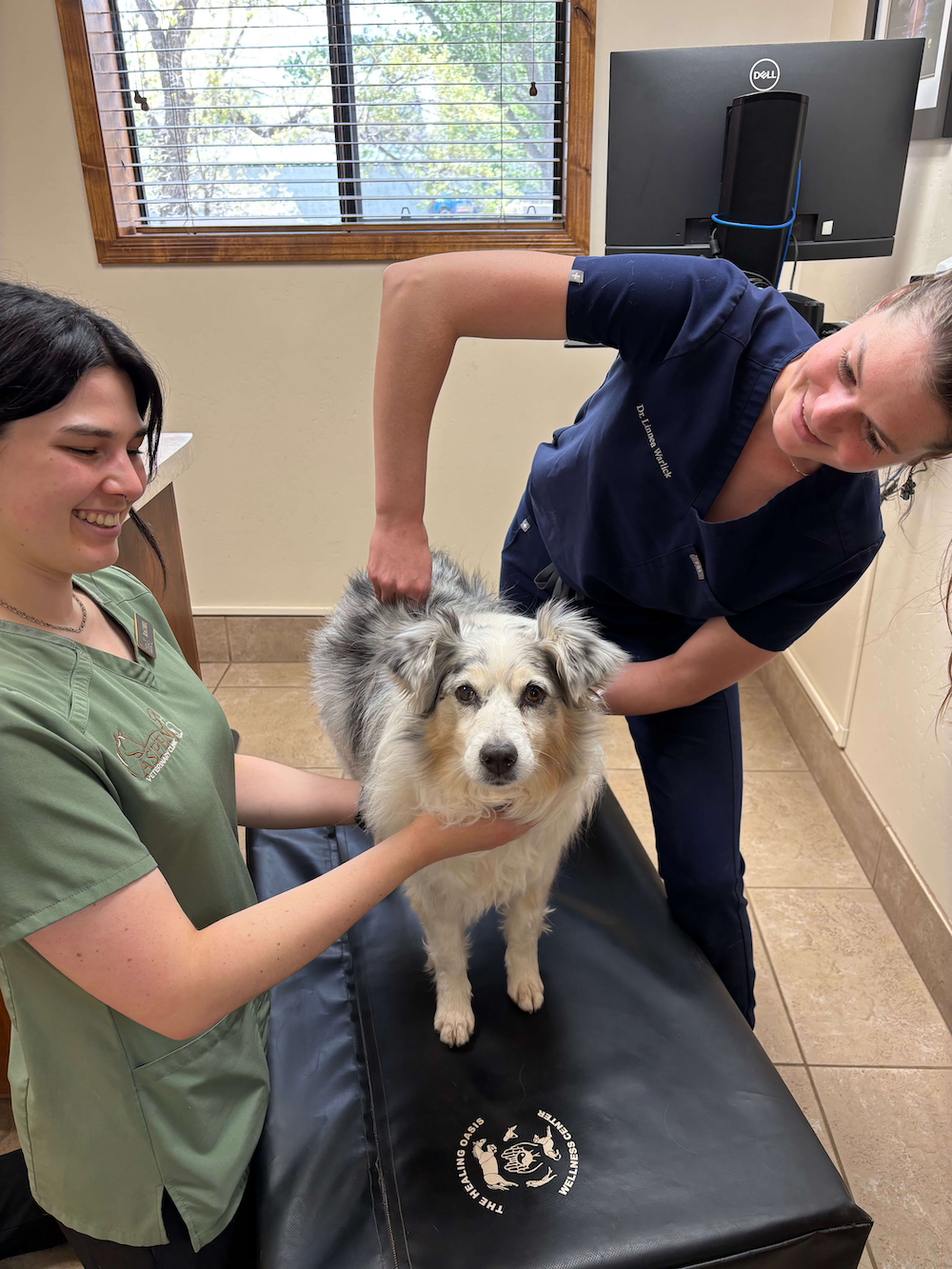
Chiropractic care is no longer just for humans. Veterinary chiropractic—also called animal chiropractic—has become one of the fastest-growing holistic modalities in veterinary medicine. From athletic dogs and performance horses to aging cats with mobility issues, chiropractic adjustments are helping animals of all kinds move better, feel better, and live more comfortably.
But what exactly is animal chiropractic, and how do you know if it is right for your pet? This guide covers everything you need to know.
What Is Veterinary Chiropractic?
Veterinary chiropractic is a manual therapy that focuses on the relationship between the spine, the nervous system, and overall body function. Practitioners use controlled, specific adjustments to the vertebrae and joints to correct misalignments (called subluxations) that may be interfering with nerve function, causing pain, or limiting mobility.
The underlying principle is that when the spine is properly aligned, the nervous system can function optimally, which supports the body's natural ability to heal and maintain health. When vertebrae are misaligned, they can put pressure on nerves, leading to pain, muscle tension, reduced range of motion, and even organ dysfunction.
Animal chiropractic should only be performed by a licensed veterinarian or a licensed human chiropractor who has completed additional certification in animal chiropractic through an approved program.
How It Differs from Human Chiropractic
While the principles are similar, animal chiropractic requires specialized knowledge:
Anatomy differences: Dogs, cats, horses, and other animals have very different spinal structures than humans. A practitioner must understand the specific anatomy of each species they treat.
Communication challenges: Animals cannot describe their symptoms verbally. Animal chiropractors must rely on observation, palpation, gait analysis, and the owner's observations to identify problems.
Adjustment techniques: The forces and techniques used on animals are adapted to their size and anatomy. Adjustments for a small cat are very different from those for a large dog or horse.
Four-legged biomechanics: Animals bear weight differently than humans, and their spinal mechanics are fundamentally different. This requires a different understanding of how subluxations occur and how they affect the animal.
Conditions Chiropractic Care Can Help
Veterinary chiropractic is used to treat a variety of conditions:
Back and neck pain: Dogs and cats can suffer from spinal pain just like humans. Chiropractic adjustments can relieve pain and restore normal function.
Mobility and stiffness: Pets who are slowing down, having difficulty rising, or showing reluctance to move in certain ways may benefit from chiropractic care.
Hip dysplasia and joint problems: While chiropractic cannot cure structural conditions like hip dysplasia, it can help manage associated pain and compensatory issues throughout the spine and pelvis.
Post-surgical recovery: After orthopedic or spinal surgery, chiropractic care can support recovery by addressing compensatory patterns that develop when an animal favors one side.
Performance and athletic dogs: Working dogs, agility dogs, and other athletic animals benefit from regular chiropractic maintenance to keep them performing at their best and prevent injuries.
Intervertebral disc disease (IVDD): Chiropractic care can be part of a comprehensive treatment plan for dogs with disc problems, helping to maintain spinal mobility and manage pain.
Gait abnormalities: If your pet has developed an unusual way of walking, limping, or bunny-hopping, spinal misalignments may be a contributing factor.
Incontinence: In some cases, urinary or fecal incontinence can be related to nerve compression in the lower spine. Chiropractic adjustment of the affected area may help improve nerve function.
What a Chiropractic Session Looks Like
If you have never taken your pet to a chiropractor, here is what to expect:
Initial assessment: The practitioner will take a detailed history and perform a thorough examination. This typically includes observing your pet's posture and gait, palpating the spine and joints, testing range of motion, and checking for areas of pain or muscle tension.
The adjustment: Using their hands, the chiropractor will apply controlled, specific force to joints that are not moving properly. The adjustments are generally quick and gentle. Most pets tolerate them well, and many seem to relax during treatment.
After the session: Your pet may be slightly tired after their first adjustment, which is normal. Some pets show immediate improvement in mobility, while others may need a few sessions before noticeable changes occur. The practitioner will typically recommend a follow-up schedule.
Ongoing care: Depending on your pet's condition, chiropractic care may involve an initial series of more frequent visits followed by maintenance sessions. Athletic and working dogs may benefit from regular monthly adjustments as part of their wellness routine.
AVCA Certification: The Gold Standard
When choosing a chiropractor for your pet, the most important credential to look for is certification from the American Veterinary Chiropractic Association (AVCA).
AVCA certification requires completion of an approved training program (minimum 210 hours of coursework), passing written and practical examinations, and maintaining continuing education requirements. Only licensed veterinarians and licensed human chiropractors are eligible for AVCA certification.
Other reputable training programs include those offered by the International Veterinary Chiropractic Association (IVCA) and Options for Animals College of Animal Chiropractic.
Safety Considerations
When performed by a properly trained and certified practitioner, chiropractic care is very safe for pets. However, there are some important considerations:
- Chiropractic should not be used as a substitute for proper veterinary diagnosis. Always have your pet examined by a veterinarian before beginning chiropractic care.
- Certain conditions are contraindicated for chiropractic adjustment, including fractures, bone cancer, severe disc herniation, and spinal infections. A qualified practitioner will screen for these before treatment.
- The adjustments should never be forceful or cause your pet significant distress. If your pet is crying out in pain during adjustments, something may be wrong.
- Always ensure your practitioner is properly certified. Untrained individuals attempting spinal manipulation on animals can cause serious harm.
How Chiropractic Complements Other Holistic Modalities
One of the strengths of chiropractic care is how well it works alongside other holistic treatments:
- Acupuncture and chiropractic are a powerful combination, with acupuncture addressing pain and inflammation while chiropractic restores structural alignment.
- Physical rehabilitation exercises can help maintain the improvements gained through chiropractic adjustments.
- Massage therapy can relax muscles before an adjustment, making the treatment more effective.
- Nutritional support with anti-inflammatory supplements can complement the structural work done through chiropractic.
Many integrative veterinary practices offer several of these modalities together as part of a comprehensive treatment plan.
Finding a Certified Animal Chiropractor
Use our directory to search for holistic veterinarians who offer chiropractic care in your area. When contacting a practice, ask specifically about AVCA certification and experience with your pet's species and condition.
If your pet is struggling with pain, mobility issues, or musculoskeletal problems, chiropractic care may provide the relief they need. Combined with other integrative therapies, it can be a valuable part of your pet's ongoing health and wellness plan.
Join the Conversation
Have thoughts on this topic? Connect with other holistic pet parents in our community forum.
Join Holistic Pet Parents