Benefits of Acupuncture for Dogs and Cats
Acupuncture is one of the most widely practiced and well-researched holistic veterinary modalities available today. Originally developed as part of Traditional Chinese Medicine over 3,000 years ago, veterinary acupuncture has gained mainstream acceptance and is now offered by thousands of veterinary practitioners across the United States. For dogs and cats dealing with pain, chronic illness, or a range of other health conditions, acupuncture offers a safe, effective, and drug-free treatment option.
How Veterinary Acupuncture Works
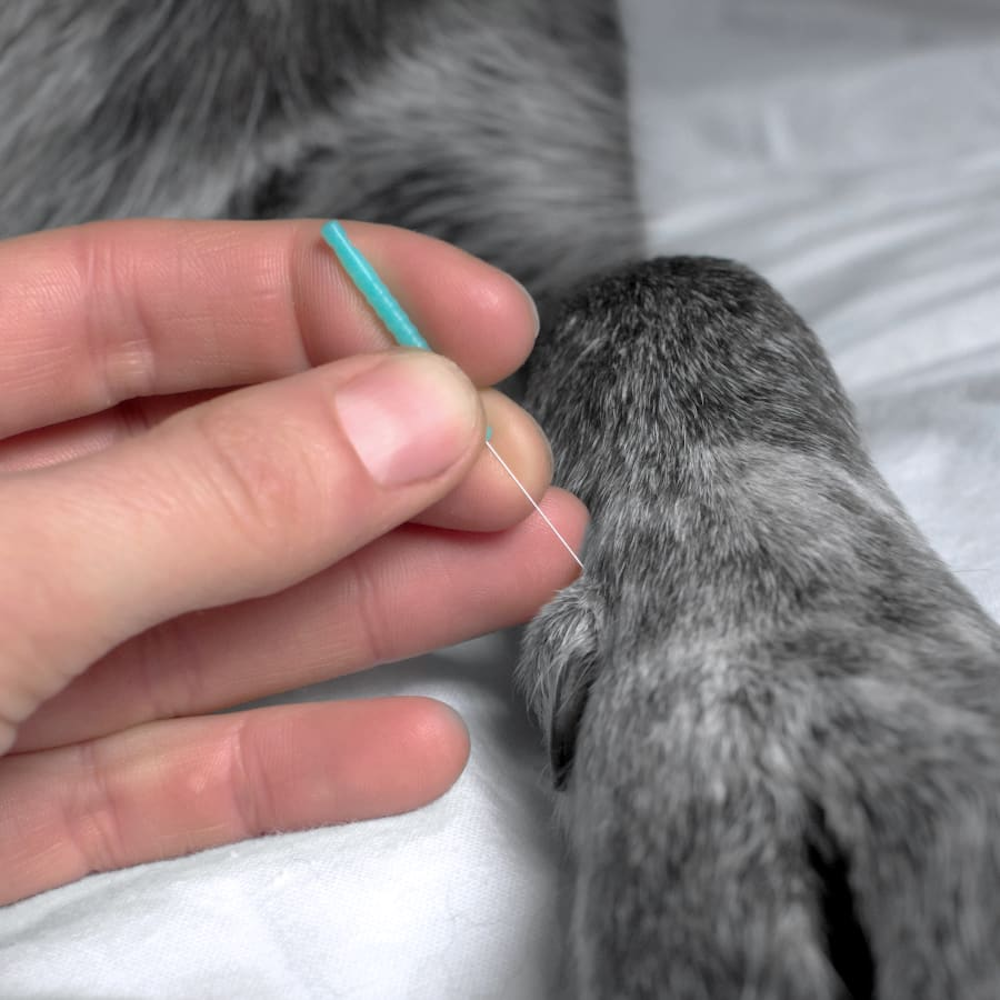
Acupuncture involves the insertion of very thin, sterile needles into specific points on the body known as acupoints. In dogs and cats, there are over 170 recognized acupoints, each associated with specific physiological effects.
From a Traditional Chinese Medicine perspective, acupuncture works by restoring the balanced flow of Qi (vital energy) through the body's meridian system. When Qi flow is disrupted or blocked, illness and pain result. Acupuncture needles stimulate specific points along these meridians to restore proper energy flow.
From a Western scientific perspective, research has identified several measurable mechanisms through which acupuncture produces its effects:
Nervous system stimulation: Acupuncture needles stimulate nerve endings, sending signals to the brain and spinal cord that modulate pain perception and trigger healing responses.
Endorphin release: Acupuncture stimulates the release of endorphins, enkephalins, and other natural pain-relieving chemicals produced by the body. This is one of the primary mechanisms behind acupuncture's well-documented analgesic effects.
Improved blood circulation: Acupuncture promotes increased blood flow to treated areas, delivering more oxygen and nutrients to damaged tissues and accelerating the removal of metabolic waste products.
Anti-inflammatory effects: Research has shown that acupuncture reduces the production of pro-inflammatory cytokines and other chemicals that drive chronic inflammation.
Immune system modulation: Acupuncture can influence immune function, helping to regulate an overactive immune system (as in allergies or autoimmune conditions) or stimulate a weakened one.
Muscle relaxation: The insertion of needles into tense muscles can trigger relaxation of muscle fibers, relieving spasms and reducing pain associated with muscle tension.
Benefits for Dogs
Dogs are particularly responsive to acupuncture, and it is used to treat a wide variety of canine health conditions:
Arthritis and joint pain: This is the most common reason dog owners seek acupuncture. Arthritic dogs often show noticeable improvements in mobility, willingness to exercise, and comfort levels after acupuncture treatment. Many dogs can reduce their reliance on pain medications once acupuncture is established as part of their care plan.
Intervertebral disc disease (IVDD): Acupuncture has shown remarkable results for dogs with disc problems, particularly in managing pain and supporting neurological recovery. Some dogs with partial paralysis have regained function with acupuncture as part of their treatment.
Hip dysplasia: While acupuncture cannot change the structural problems of hip dysplasia, it can significantly reduce associated pain and inflammation, improving quality of life and mobility.
Gastrointestinal disorders: Dogs with chronic vomiting, diarrhea, inflammatory bowel disease, or appetite loss often respond well to acupuncture. Specific acupoints are known to regulate digestive function and reduce nausea.
Anxiety and behavioral issues: Acupuncture can help calm anxious dogs by modulating the nervous system and promoting the release of calming neurotransmitters. It is often used for separation anxiety, noise phobias, and general nervousness.
Cancer support: While acupuncture does not treat cancer directly, it is widely used to manage pain, nausea, and fatigue associated with cancer and its conventional treatments. It can significantly improve quality of life for dogs undergoing chemotherapy or radiation.
Post-surgical recovery: Acupuncture can speed healing, reduce post-operative pain, and help dogs recover mobility more quickly after surgery.
Benefits for Cats
Cats also respond well to acupuncture, though sessions may be shorter due to their smaller size and temperament. Common feline conditions treated with acupuncture include:
Chronic kidney disease: One of the most common conditions in aging cats, chronic kidney disease can be supported with acupuncture to help manage nausea, improve appetite, and support overall kidney function.
Feline asthma: Acupuncture can help reduce the frequency and severity of asthma attacks by modulating the immune response and reducing airway inflammation.
Arthritis: Cats are masters at hiding pain, and many suffer from undiagnosed arthritis. Acupuncture can improve mobility and comfort in arthritic cats, often with dramatic improvements in activity levels.
Inflammatory bowel disease: Feline IBD is a frustrating condition that often responds incompletely to conventional treatment. Acupuncture can help regulate intestinal motility and reduce inflammation.
Urinary issues: Cats prone to urinary tract inflammation, crystals, or blockages may benefit from acupuncture as part of a comprehensive treatment approach.
Hyperthyroidism support: While not a replacement for conventional thyroid management, acupuncture can help support overall well-being in hyperthyroid cats.
What an Acupuncture Session Looks Like
If you have never brought your pet for acupuncture, knowing what to expect can ease any concerns:
The first visit typically lasts 45 to 60 minutes and includes a thorough history and examination. The veterinarian will ask detailed questions about your pet's health, diet, behavior, and lifestyle before performing the first treatment.
During the treatment, the veterinarian inserts very thin needles—much thinner than those used for injections—into selected acupoints. Most dogs and cats tolerate needle insertion very well, with many showing little to no reaction. The needles remain in place for 15 to 30 minutes.
Most pets relax during treatment. It is very common for dogs to lie down and fall asleep during a session. Cats may purr. This relaxation response is actually a positive sign that the treatment is working.
After the session, some pets show immediate improvement, while others may be slightly tired for a day. The full effects of acupuncture often build over multiple sessions.
How Many Sessions Are Needed?
A typical acupuncture treatment plan starts with weekly sessions for 4 to 6 weeks to build cumulative benefit. After the initial series, most pets transition to maintenance treatments every 2 to 6 weeks, depending on their condition.
Some conditions, such as acute injuries, may require fewer sessions. Chronic conditions like arthritis typically require ongoing maintenance treatments to sustain the benefits.
Finding an IVAS-Certified Veterinary Acupuncturist
When seeking acupuncture for your pet, the most important credential to look for is certification from the International Veterinary Acupuncture Society (IVAS). IVAS certification requires completion of a rigorous training program including over 100 hours of didactic and hands-on training, followed by a comprehensive examination.
Other respected certifications include those from the Chi Institute and the CuraCore Integrative Medicine and Education Center.
Our directory includes hundreds of veterinary acupuncturists across the country. Search by your location to find an IVAS-certified or Chi Institute-certified practitioner near you.
Safety and Side Effects
Veterinary acupuncture is extremely safe when performed by a trained, certified practitioner. Side effects are rare and typically mild, including occasional temporary soreness at needle sites or brief lethargy after treatment.
Acupuncture is suitable for pets of all ages and can be safely combined with conventional medications. It is one of the holistic modalities most widely accepted by conventional veterinarians, and many conventional practices now offer acupuncture services or refer patients to certified practitioners.
If your dog or cat is struggling with pain, chronic illness, or a condition that has not fully responded to conventional treatment, acupuncture may provide the additional support they need. Talk to a certified veterinary acupuncturist about whether acupuncture could benefit your pet.
Join the Conversation
Have thoughts on this topic? Connect with other holistic pet parents in our community forum.
Join Holistic Pet Parents