10 Signs Your Pet Could Benefit from Integrative Veterinary Care

Conventional veterinary medicine is excellent at many things—emergency care, surgical interventions, diagnostic testing, and treating acute illnesses. But sometimes, despite your regular vet's best efforts, your pet may continue to struggle with health issues that do not fully resolve with standard treatment.
This is where integrative veterinary care can make a meaningful difference. By combining conventional medicine with holistic modalities like acupuncture, herbal medicine, chiropractic care, and nutritional therapy, integrative vets offer additional tools that may help where conventional treatment alone falls short.
Here are ten signs that your pet might benefit from an integrative approach.
1. Chronic Pain That Is Not Fully Managed
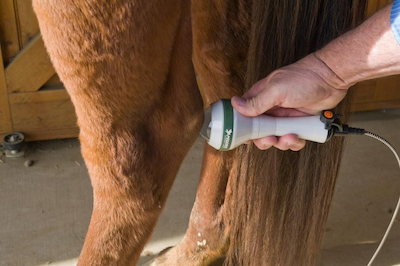
If your pet is dealing with ongoing pain from arthritis, hip dysplasia, intervertebral disc disease, or other conditions, and medications are not providing adequate relief—or are causing unwanted side effects—integrative care offers additional options. Acupuncture, laser therapy, and chiropractic adjustments have all shown effectiveness in managing chronic pain in animals, often allowing for reduced reliance on pain medications.
2. Recurring Infections or Illnesses
Does your pet seem to get the same infections over and over? Recurring ear infections, urinary tract infections, skin infections, or respiratory issues can indicate an underlying imbalance that antibiotics alone cannot address. A holistic vet will look beyond the immediate infection to identify contributing factors such as diet, immune function, allergies, or environmental triggers.
3. Anxiety and Behavioral Issues
Pets who suffer from separation anxiety, noise phobias, aggression, compulsive behaviors, or general nervousness may benefit from integrative approaches. Acupuncture, herbal remedies, homeopathy, and nutritional adjustments can help address anxiety from a physiological perspective, often complementing behavioral training more effectively than medication alone.
4. Digestive Problems
Chronic vomiting, diarrhea, constipation, gas, or poor appetite that persists despite conventional treatment is a strong indicator that your pet could benefit from a holistic evaluation. Integrative vets often focus heavily on diet and gut health, using nutritional therapy, probiotics, digestive enzymes, and herbal support to restore healthy digestion from the inside out.
5. Skin Conditions and Allergies
Itching, hot spots, hair loss, chronic ear problems, and skin rashes are among the most common reasons pet owners seek holistic care. Conventional treatment often involves steroids or other immunosuppressive medications that manage symptoms but do not address the underlying cause. Integrative vets may use elimination diets, herbal medicine, acupuncture, and nutritional supplements to address the root causes of allergic responses.
6. Decreased Mobility or Stiffness
If your pet is slowing down, having difficulty getting up, reluctant to jump or climb stairs, or showing signs of stiffness, integrative care can help. Chiropractic adjustments, acupuncture, physical rehabilitation, laser therapy, and targeted nutritional supplements can improve mobility and comfort, particularly in aging pets. These therapies can be used alongside conventional pain management for a more comprehensive approach.
7. Cancer Diagnosis or Treatment Support
A cancer diagnosis is devastating, and many pet owners look for ways to support their pet beyond conventional chemotherapy or radiation. Integrative vets can provide complementary support such as nutritional therapy to maintain strength, acupuncture to manage pain and nausea from treatment, herbal medicine to support immune function, and overall quality-of-life care. Holistic support does not replace oncology care but can work alongside it to help your pet feel better during treatment.
8. Your Senior Pet Needs Quality-of-Life Support
Aging pets often develop multiple health issues simultaneously—arthritis, cognitive decline, organ function changes, decreased appetite, and reduced energy. Managing all of these with conventional medications alone can mean a complicated medication schedule with potential drug interactions. Integrative care offers gentler options that can address multiple concerns simultaneously, helping senior pets maintain comfort, mobility, and quality of life in their later years.
9. Your Pet Is Sensitive to Medications
Some pets experience significant side effects from conventional medications, including gastrointestinal upset, liver or kidney stress, lethargy, or behavioral changes. If your pet does not tolerate standard medications well, integrative therapies may provide effective alternatives with fewer side effects. This is one of the most common reasons pet owners first seek holistic veterinary care.
10. You Want a Prevention-Focused Approach
You do not have to wait until your pet is sick to benefit from integrative care. Many holistic vets excel at preventive wellness—optimizing diet, identifying early signs of imbalance, supporting immune health, and creating lifestyle plans that help prevent disease before it starts. Regular wellness visits with an integrative vet can be an investment in your pet's long-term health.
When Conventional Care Is Still Essential
It is important to recognize that integrative care complements rather than replaces conventional veterinary medicine. There are situations where conventional care is clearly the first priority:
- Emergencies: Trauma, poisoning, severe allergic reactions, bloat, and other acute emergencies require immediate conventional veterinary care.
- Acute infections: Serious bacterial infections may require antibiotics as a first-line treatment.
- Surgical conditions: Conditions requiring surgery, such as foreign body ingestion, tumor removal, or fracture repair, need conventional surgical intervention.
- Diagnostic workups: Blood work, imaging, and other diagnostic tools from conventional medicine are essential for understanding your pet's health status.
A good integrative vet will always recommend conventional care when it is the most appropriate option for your pet.
Taking the Next Step
If you recognized your pet in one or more of these signs, exploring integrative veterinary care could be a worthwhile next step. Start by finding a qualified holistic or integrative veterinarian in your area using our directory. Schedule a consultation to discuss your pet's health concerns and learn what treatment options are available.
Many pet owners who make the switch to integrative care wish they had done it sooner. Your pet deserves every tool available for their health and happiness, and integrative veterinary medicine may provide the missing piece that makes a real difference.
Join the Conversation
Have thoughts on this topic? Connect with other holistic pet parents in our community forum.
Join Holistic Pet Parents